
Is Your Brain Processing Sound Correctly? CAPD Symptoms You Shouldn't Ignore

Have you ever felt like your ears are working perfectly fine, but your brain just isn't getting the message? You hear the sounds around you, but understanding what they mean feels like solving a puzzle with missing pieces. If this sounds familiar, you might be experiencing Central Auditory Processing Disorder (CAPD), a condition that affects how your brain processes and interprets sounds.
Central Auditory Processing Disorder is a neurological condition where the brain struggles to process auditory information correctly, even though hearing sensitivity remains normal. Unlike hearing loss, where the ears themselves have difficulty detecting sounds, CAPD occurs when the brain has trouble making sense of the sounds it receives.
The Hidden Signs Your Brain Struggles with Sound Processing
Many people live with CAPD symptoms for years without realizing there's an underlying condition causing their difficulties. These symptoms often get dismissed as simple inattentiveness or blamed on other factors, but recognizing them is the first step toward getting proper help.

Struggling in Noisy Environments
One of the most telling signs of CAPD is difficulty understanding speech when background noise is present. The individual may find themselves completely lost in conversations at restaurants, unable to follow discussions during family gatherings, or feeling overwhelmed at social events where multiple people are talking.
This isn't simply being distracted by noise – it's the brain's inability to separate important sounds (like speech) from background sounds (like air conditioning, traffic, or other conversations). The result is that all sounds blend together into an incomprehensible mix.
Frequently Asking "What?" or "Can You Repeat That?"
People with CAPD often find themselves constantly asking others to repeat information, even in relatively quiet environments. The person hears that someone spoke, but the words didn't register clearly enough for understanding. This pattern becomes particularly noticeable during phone conversations or when someone speaks from another room.
Taking Extra Time to Process Verbal Information
Delayed processing is another hallmark of CAPD. The individual may need several seconds longer than usual to understand and respond to questions or instructions. This isn't due to slow thinking – it's the brain working harder to decode auditory information that should be automatically processed.
How CAPD Symptoms Affect Daily Life
The impact of unrecognized CAPD extends far beyond occasional communication difficulties. These processing challenges can affect virtually every aspect of daily functioning.
Academic and Work Performance
Students with CAPD often struggle with:
- Following multi-step verbal instructions from teachers
- Taking accurate notes during lectures
- Participating in group discussions
- Completing tasks that require listening while writing
- Understanding information presented in noisy classrooms
In the workplace, adults may experience:
- Difficulty following verbal directions during meetings
- Missing important details during conference calls
- Struggling to understand colleagues in open office environments
- Feeling exhausted after long periods of listening-intensive work

Social and Emotional Impact
The social consequences of untreated CAPD can be profound. The individual may begin avoiding social situations because conversations feel too challenging. Misunderstandings become frequent, leading to frustration for both the person with CAPD and their family, friends, or colleagues.
Many people develop feelings of isolation, thinking they're the only ones struggling with these issues. Children may be labeled as defiant or inattentive when they're actually dealing with genuine processing difficulties.
Communication Breakdowns at Home
Family relationships often suffer when CAPD goes unrecognized. The person may:
- Appear to ignore family members when they're actually struggling to process what was said
- Respond inappropriately to questions because they misheard or misunderstood
- Need television or radio volume higher than others find comfortable
- Have difficulty following conversations during family meals or gatherings
The Physical and Mental Toll
Living with undiagnosed CAPD creates ongoing stress that affects both physical and mental well-being. The constant effort required to process auditory information leads to auditory fatigue – a very real exhaustion that comes from the brain working overtime to decode sounds.
This fatigue can manifest as:
- Headaches after periods of intense listening
- Feeling drained after social events or meetings
- Needing quiet time to recover from auditory environments
- Difficulty concentrating on other tasks after challenging listening situations

Secondary Effects on Learning and Development
When CAPD symptoms go unaddressed, they can lead to secondary problems including:
- Reading difficulties because the connection between sounds and letters becomes unclear
- Spelling problems due to trouble processing the individual sounds in words
- Language delays as the foundation for language learning is compromised
- Reduced vocabulary because new words aren't processed accurately during conversations
Why These Symptoms Shouldn't Be Ignored
The longer CAPD remains undiagnosed, the more significant its impact becomes. What starts as simple communication difficulties can develop into broader academic, social, and emotional challenges.
Early identification and intervention make a substantial difference in outcomes. Professional assessment can distinguish between CAPD and other conditions that might cause similar symptoms, such as attention disorders or hearing loss.
The Risk of Misdiagnosis
Without proper evaluation, CAPD symptoms are often misattributed to:
- Attention Deficit Hyperactivity Disorder (ADHD)
- Learning disabilities
- Behavioral problems
- Lack of motivation or effort
- Simple hearing loss
This misattribution can lead to inappropriate interventions that don't address the root cause of the difficulties.
When Professional Assessment Becomes Necessary
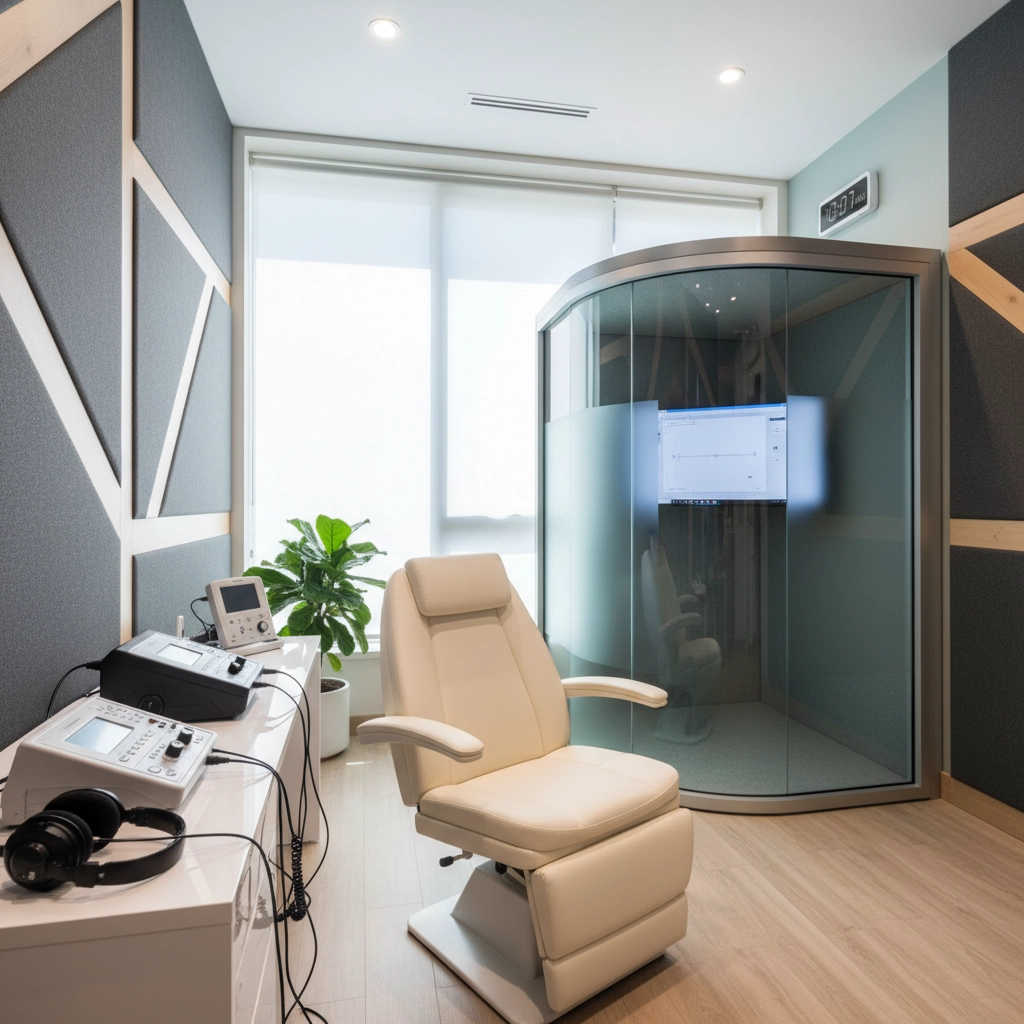
If you recognize multiple CAPD symptoms affecting daily functioning, professional evaluation is warranted. Audiological assessment for CAPD typically involves specialized tests that examine how the brain processes different types of auditory information.
The evaluation process may include:
- Comprehensive hearing testing to rule out hearing loss
- Central auditory processing tests that assess various aspects of auditory processing
- Speech-in-noise testing to evaluate understanding in challenging listening environments
- Auditory discrimination tasks to assess the ability to distinguish between similar sounds
What to Expect During Evaluation
A thorough CAPD evaluation examines multiple aspects of auditory processing, including:
- The ability to process rapidly presented auditory information
- Skills in separating competing auditory messages
- Temporal processing abilities (understanding sound patterns and timing)
- Binaural integration (processing information from both ears simultaneously)
Treatment and Management Strategies
The encouraging news about CAPD is that effective management strategies exist. While the condition itself may not be "cured," individuals can learn techniques and receive accommodations that dramatically improve their daily functioning.
Environmental modifications often provide immediate relief:
- Reducing background noise in living and working spaces
- Using preferred seating in classrooms or meeting rooms
- Implementing visual supports alongside auditory information
- Creating quiet spaces for important conversations
Compensatory strategies help individuals work around their processing difficulties:
- Asking for written follow-up to verbal instructions
- Using context clues to fill in missed auditory information
- Taking notes during important conversations
- Requesting slower speech rates when needed
Getting the Support You Need
At Northeast Occupational Audiology Associates, our experienced team understands the complex nature of central auditory processing disorders. We provide comprehensive evaluations using the latest assessment techniques to accurately identify CAPD and distinguish it from other conditions.
Our central auditory processing evaluation includes detailed testing protocols designed to pinpoint specific areas of processing difficulty. This thorough assessment forms the foundation for developing effective management strategies tailored to individual needs.
The evaluation process takes into account not just test results, but also how symptoms affect real-world functioning in work, school, and social environments. This comprehensive approach ensures that recommendations address practical daily challenges, not just test performance.
Remember, struggling with auditory processing doesn't reflect intelligence or effort – it's a neurological difference that responds well to appropriate support and strategies. Recognition and proper assessment are the first steps toward improving communication, reducing frustration, and enhancing quality of life.
If you've recognized yourself or someone you care about in these descriptions, don't wait to seek professional evaluation. Early intervention leads to better outcomes and can prevent the development of secondary academic, social, or emotional difficulties.
Tags: Central Auditory Processing Disorder, CAPD symptoms, auditory processing evaluation, hearing assessment, communication difficulties, speech in noise, auditory processing testing, neurological hearing disorders, listening difficulties, auditory fatigue
Contact us at 201-645-5440
