
Why Your Brain, Not Just Your Ears, Controls What You Hear: The CAPD Truth

When someone struggles to understand speech in a noisy restaurant or frequently asks "what did you say?" during conversations, the natural assumption is that they have a hearing problem. However, the reality is far more complex. Hearing is fundamentally a brain function, not simply an ear function. While the ears capture sound waves, it's the brain's sophisticated auditory processing system that transforms those signals into meaningful information we can understand and act upon.
This distinction becomes critically important when understanding Central Auditory Processing Disorder (CAPD), a condition that perfectly illustrates how essential the brain's role is in hearing. People with CAPD often have perfectly normal hearing when tested in quiet environments, yet they struggle significantly with understanding speech and processing auditory information in real-world situations.
The Journey of Sound: From Ear to Brain
The process of hearing involves a remarkable journey that extends far beyond the ear itself. Sound waves enter the outer ear, travel through the middle ear, and reach the inner ear's cochlea, where they're converted into electrical signals. But this is where many people think the process ends – and they couldn't be more wrong.
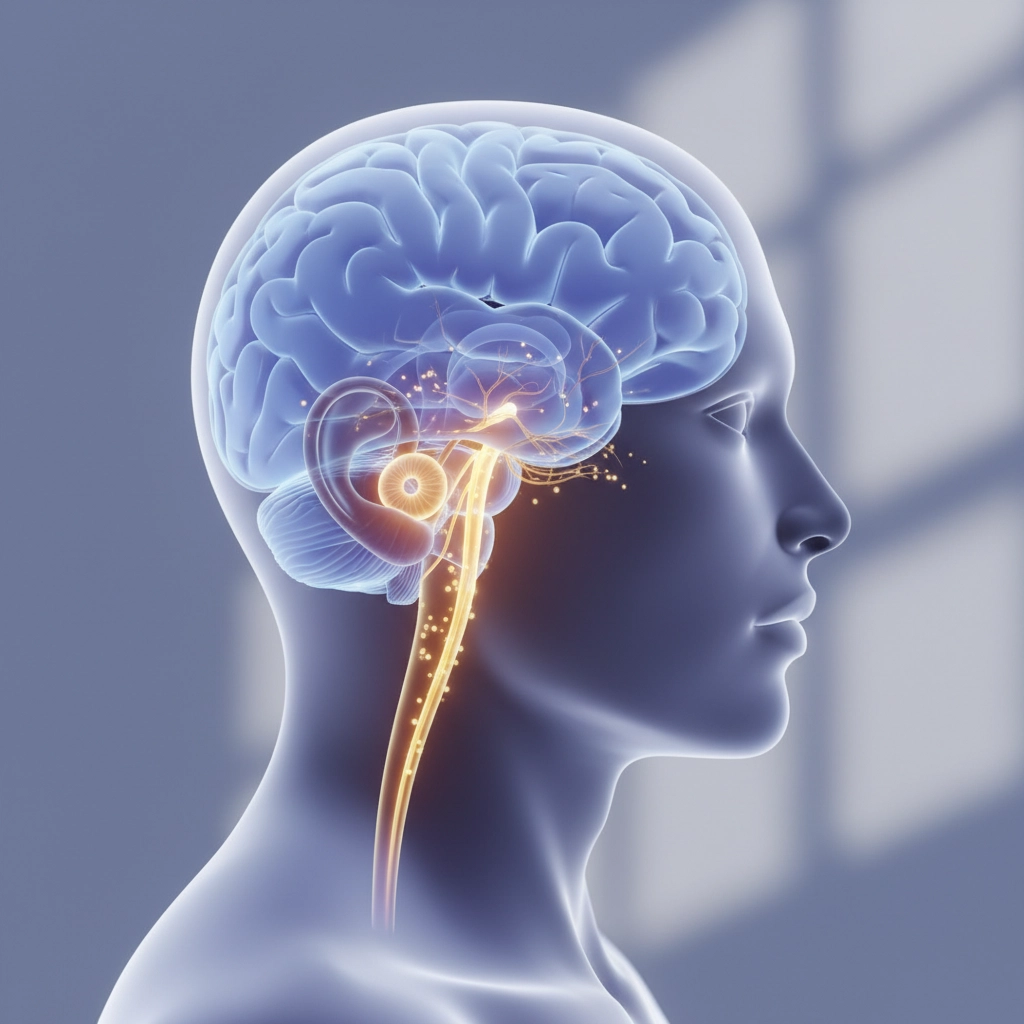
The real work begins when these electrical signals travel via the eighth cranial nerve to the brainstem and ultimately to higher areas of the brain. Along this auditory pathway, there are multiple relay stations including the cochlear nucleus, superior olivary nuclei, lateral meniscus, inferior colliculus, and medial geniculate nuclei. Each of these points contributes to the complex neural activities of decoding, analyzing, distributing, and interpreting the incoming auditory signal.
The brain's auditory processing system represents "what our brain does with what the ear hears." This involves sophisticated neural computations along frequency, intensity, and time domains. These computations determine whether we can understand speech in a crowded room, follow a rapid conversation, or identify where a sound is coming from.
When Brain Processing Goes Wrong: Understanding CAPD
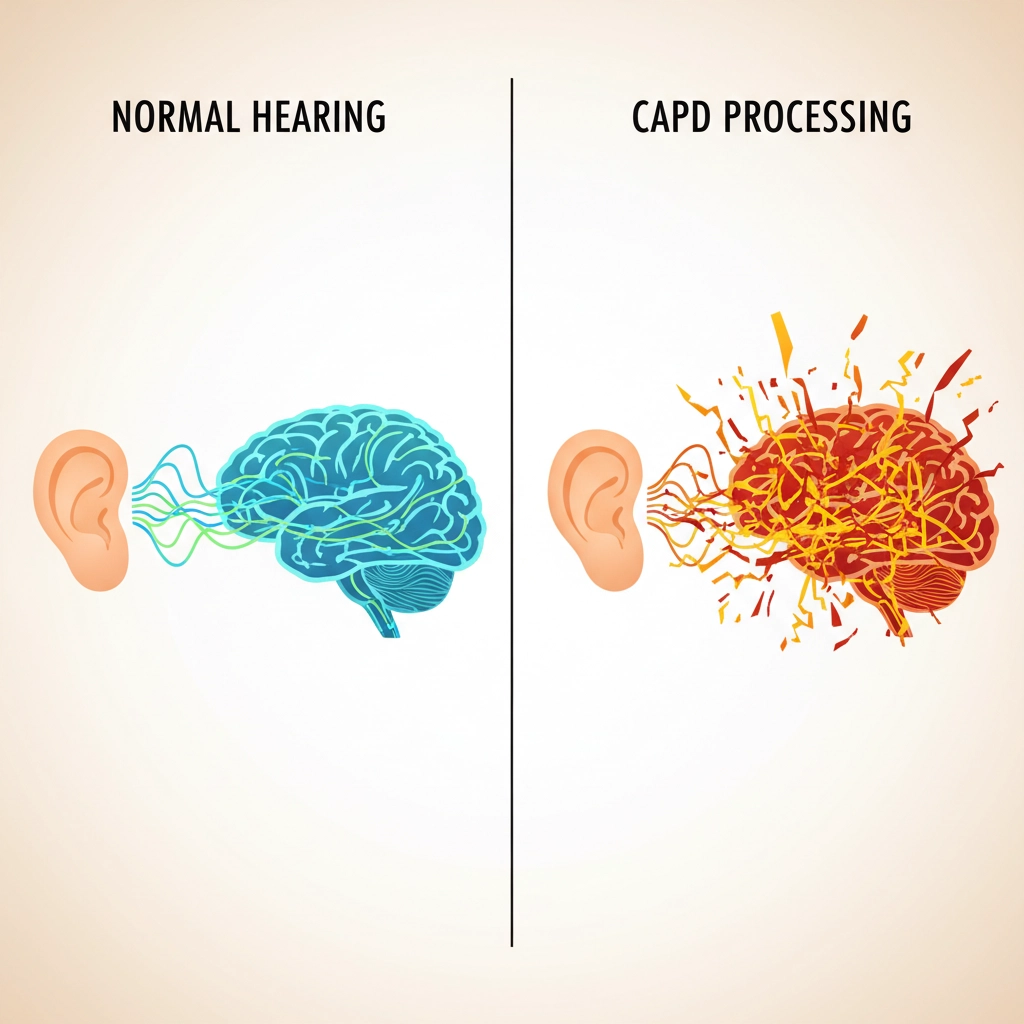
Central Auditory Processing Disorder demonstrates perfectly why the brain, not just the ears, controls what we hear. In CAPD, the ears and peripheral hearing system function completely normally. The problem lies in the central auditory nervous system – the brain regions responsible for processing sounds.
Individuals with CAPD experience a "disconnect between ears and brain." Their ears pick up sounds perfectly fine, but there's damage to the nerve fibers carrying messages from the ear to the brain, or the brain may not be producing proper amounts of neurotransmitters necessary for effective nerve communication. This results in auditory information becoming jumbled or confused, even though the ear received the sound correctly.
The Classic CAPD Example
Consider this scenario: someone asks, "How are the chair and couch alike?" but a person with CAPD's brain scrambles the sounds so they hear, "How a cow and hair are like?" The ear received all the correct sounds – the brain simply failed to process them accurately. This illustrates the fundamental difference between hearing (receiving sound) and auditory processing (making sense of that sound).
How CAPD Affects Daily Life
The impact of CAPD extends far beyond occasional communication difficulties. These processing challenges affect virtually every aspect of daily functioning because they involve the brain's ability to make sense of auditory information.
Academic and Workplace Challenges
Students with CAPD often struggle with:
- Following multi-step verbal instructions from teachers
- Taking accurate notes during lectures
- Participating in group discussions
- Understanding information presented in noisy classrooms
In workplace settings, adults may experience:
- Difficulty following verbal directions during meetings
- Missing important details during conference calls
- Struggling to understand colleagues in open office environments
- Feeling exhausted after long periods of listening-intensive work
Social and Communication Impact
The brain's role in processing becomes evident when considering how CAPD affects social interactions. People with this condition may:
- Appear to ignore family members when they're actually struggling to process what was said
- Respond inappropriately to questions because they misheard or misunderstood
- Need television or radio volume higher than others find comfortable
- Have difficulty following conversations during family meals or gatherings

The Science Behind Brain-Based Hearing
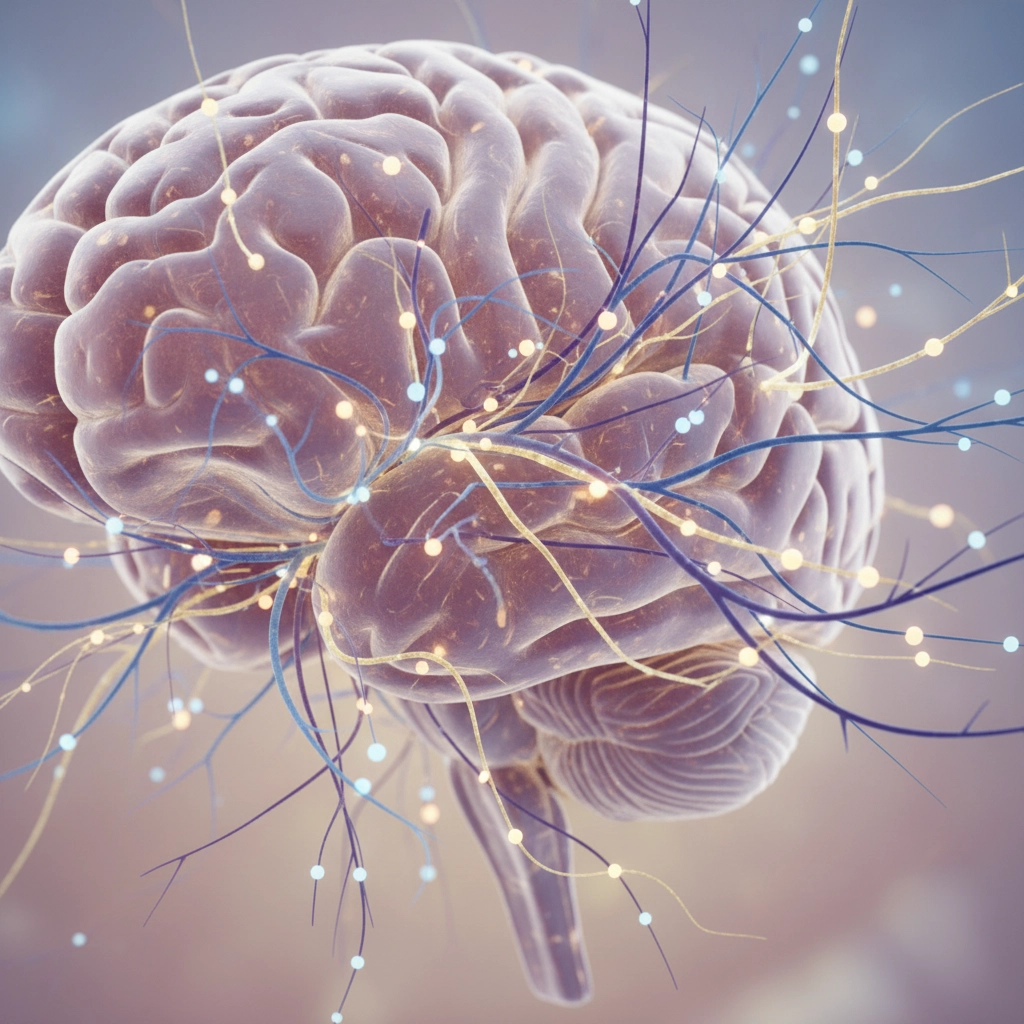
Modern neuroscience reveals that hearing involves both "bottom-up factors" (sensory encoding from the ear) and "top-down factors" (cognition, language, and higher-order brain functions) working together. The auditory system is highly interconnected with ascending, descending, and crossing fibers that enable higher-order functions from the prefrontal cortex, hippocampus, and limbic circuits to connect with the auditory system.
This complex network gives rise to our perception and understanding of auditory information. When any part of this brain-based system malfunctions, the result can be difficulty understanding speech even when hearing sensitivity remains normal.
Specific Processing Challenges
People with CAPD struggle with auditory tasks that depend entirely on brain processing:
- Auditory discrimination: The brain cannot distinguish between similar sounds
- Auditory figure-ground: The brain cannot filter out background noise to focus on speech
- Auditory memory: The brain has trouble storing and retrieving spoken information
- Auditory sequencing: The brain cannot process information in the correct order
- Auditory integration: The brain struggles to combine auditory information with visual or other sensory input
Why This Understanding Matters
Recognizing that hearing is primarily a brain function explains why someone can have perfect peripheral hearing but still struggle to understand speech. It demonstrates that auditory processing disorder is fundamentally a neurological condition, not a hearing problem in the traditional sense.
This understanding is crucial because it explains why conventional hearing aids, which simply amplify sound, cannot resolve CAPD. The issue isn't that sounds aren't loud enough – it's that the brain isn't processing those sounds correctly. Treatment must address how the brain processes auditory information, not just how loud the signal reaches the ear.
The Importance of Professional Evaluation
Because CAPD involves complex brain-based processing, it can only be properly tested and diagnosed by qualified audiologists who understand both the peripheral hearing system and central auditory processing. The evaluation requires specialized tests that assess how the brain handles various types of auditory information under different conditions.
Getting Help for CAPD
If you or someone you know experiences difficulty understanding speech despite apparently normal hearing, it's essential to seek evaluation from qualified professionals. The symptoms of CAPD often go unrecognized or are attributed to other conditions, but proper diagnosis can lead to effective management strategies.
At Northeast Occupational Audiology Associates, our team understands the complex relationship between the ears and brain in the hearing process. We provide comprehensive central auditory processing evaluations that assess how effectively the brain processes auditory information, not just how well the ears detect sound.
Treatment approaches for CAPD often include environmental modifications, auditory training programs, and strategies to improve listening skills in challenging environments. The goal is to help the brain more effectively process the auditory information it receives.
Understanding that your brain, not just your ears, controls what you hear opens the door to better diagnosis, treatment, and management of auditory processing difficulties. If traditional hearing tests show normal results but you still struggle with understanding speech, especially in noisy environments, the answer may lie in how your brain processes sound rather than how your ears detect it.
Contact us at 201-645-5440.
Tags: Central Auditory Processing Disorder, CAPD, brain hearing, auditory processing, hearing vs listening, neurological hearing problems, speech understanding difficulties, auditory pathway, hearing evaluation, Northeast Occupational Audiology Associates
