
CAPD Secrets Revealed: What Experts Don't Want You to Know About Hidden Hearing Loss

Have you ever found yourself asking people to repeat themselves constantly, even though you passed your last hearing test with flying colors? Do crowded restaurants feel overwhelming because you can't separate your dinner companion's voice from the background chatter? You might be experiencing Central Auditory Processing Disorder (CAPD), also known as hidden hearing loss: a condition that affects millions of people yet often goes undiagnosed for years.
The truth is, there's nothing secretive about CAPD from a medical standpoint. Audiologists and hearing specialists have been studying and treating this condition for decades. What makes it "hidden" isn't some conspiracy of silence, but rather the limitations of traditional hearing tests and the subtle ways this condition manifests in daily life.
What Is CAPD Really?
Central Auditory Processing Disorder occurs when your ears can detect sounds perfectly fine, but your brain struggles to interpret and make sense of what you're hearing. Think of it like having a high-quality microphone connected to a computer with faulty audio processing software. The microphone picks up everything clearly, but the computer can't separate the important sounds from the background noise.
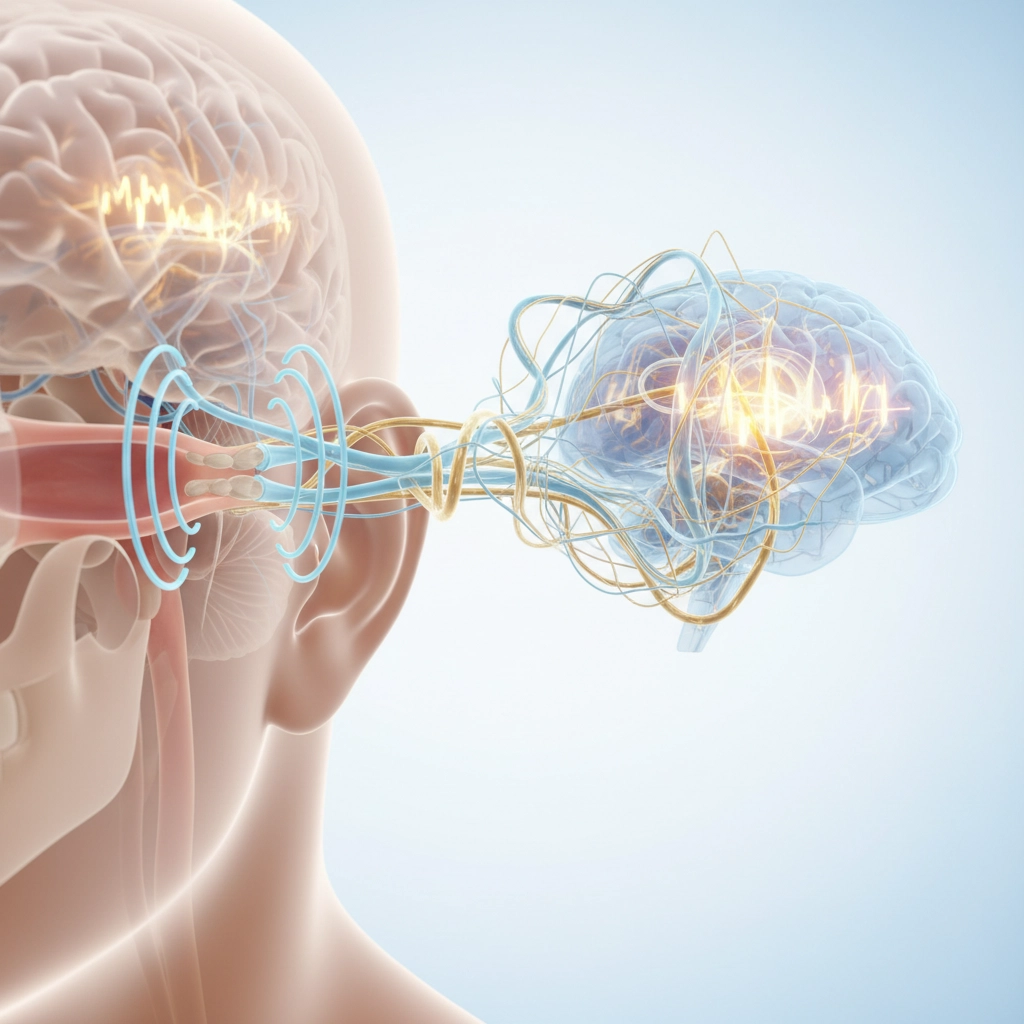
Unlike traditional hearing loss where the ear's physical structures are damaged, CAPD involves problems with the neural pathways between your ears and your brain. This means standard hearing tests: which measure your ear's ability to detect sounds in quiet environments: often come back completely normal, leaving both patients and healthcare providers puzzled about ongoing listening difficulties.
The condition primarily affects your brain's ability to filter, organize, and interpret auditory information, particularly when multiple sounds compete for your attention simultaneously.
Why CAPD Often Goes Unnoticed
The primary reason CAPD remains undiagnosed for so long is simple: traditional audiograms weren't designed to detect it. These standard tests measure whether you can hear pure tones in a quiet testing booth, which doesn't reflect real-world listening challenges.
Most people with CAPD can hear a pin drop in a silent room but struggle tremendously to follow a conversation at a family gathering or business meeting. This disconnect between test results and daily experiences often leads to frustration and misunderstanding.
Additionally, CAPD symptoms can be subtle and develop gradually. Many people adapt unconsciously by avoiding challenging listening situations, positioning themselves strategically in social settings, or simply accepting that they "don't hear well in crowds." These coping mechanisms can mask the condition for years.
Common Signs You Shouldn't Ignore
CAPD manifests differently in each person, but several key symptoms appear consistently across cases. Recognizing these signs early can lead to proper diagnosis and treatment.
Speech Understanding Difficulties
The hallmark symptom involves trouble understanding speech when background noise is present. You might notice this during:
- Restaurant conversations with moderate ambient noise
- Phone calls in busy environments
- Group discussions or meetings
- Television viewing when others are talking nearby
Listening Fatigue
People with CAPD often experience mental exhaustion after social gatherings, work meetings, or extended conversations. This fatigue occurs because your brain works overtime trying to process unclear auditory information, similar to how your eyes tire when straining to read small print.

Sound Sensitivity and Localization Issues
You might notice increased sensitivity to loud or sudden sounds, or difficulty determining where sounds are coming from. Some people describe feeling overwhelmed in acoustically challenging environments like shopping malls, airports, or busy offices.
Attention and Memory Challenges
CAPD can affect your ability to follow multi-step verbal instructions or remember details from spoken conversations. This isn't due to memory problems but rather because unclear auditory input makes it harder for your brain to encode information properly.
What Causes Hidden Hearing Loss?
Understanding the underlying causes of CAPD helps explain why this condition affects so many people across different age groups.
Noise Exposure Damage
Prolonged or intense noise exposure represents the most common cause of hidden hearing loss. This includes:
- Occupational noise from construction, manufacturing, or music venues
- Recreational activities like concerts, motorsports, or hunting
- Personal audio devices used at high volumes over extended periods
The damage typically affects the synaptic connections between inner ear hair cells and auditory nerve fibers, disrupting the brain's ability to process complex soundscapes while leaving basic hearing thresholds intact.
Age-Related Changes
Natural aging affects the neural pathways responsible for auditory processing, even when traditional hearing remains stable. These changes can begin as early as middle age and progress gradually over time.
Medical Factors
Several medical conditions and treatments can contribute to CAPD development:
- Ototoxic medications including certain chemotherapy drugs and high-dose antibiotics
- Traumatic brain injuries affecting auditory processing centers
- Chronic ear infections during childhood that disrupt normal auditory development
- Genetic predispositions that make some individuals more susceptible to processing difficulties
How CAPD Impacts Daily Life
The effects of CAPD extend far beyond simple hearing difficulties, influencing work performance, social relationships, and overall quality of life.
Professional Challenges
In workplace settings, CAPD can affect your ability to participate effectively in meetings, understand phone conversations, or focus in open office environments. Many people unknowingly develop compensation strategies like requesting email follow-ups after verbal instructions or positioning themselves near speakers during presentations.

Social and Family Relationships
Family members might interpret CAPD symptoms as selective hearing or lack of attention, leading to misunderstandings and frustration. Social situations become less enjoyable when conversation requires significant effort, potentially leading to gradual withdrawal from group activities.
Educational Impact
For students, CAPD can masquerade as attention problems or learning difficulties, particularly in classroom environments with competing sounds, multiple speakers, or poor acoustics.
Getting Proper Diagnosis
Diagnosing CAPD requires specialized testing beyond standard audiometry. Comprehensive evaluations typically include:
- Speech-in-noise testing to assess your ability to understand words with background sound
- Dichotic listening tests that present different sounds to each ear simultaneously
- Temporal processing evaluations measuring how your brain handles timing aspects of speech
- Questionnaires assessing your listening experiences in various real-world situations
At Northeast Occupational Audiology Associates, we utilize advanced diagnostic protocols specifically designed to identify CAPD and hidden hearing loss, providing the comprehensive assessment necessary for accurate diagnosis.
Treatment and Management Options
The encouraging news is that CAPD responds well to various treatment approaches, often resulting in significant improvement in daily functioning.
Assistive Technology
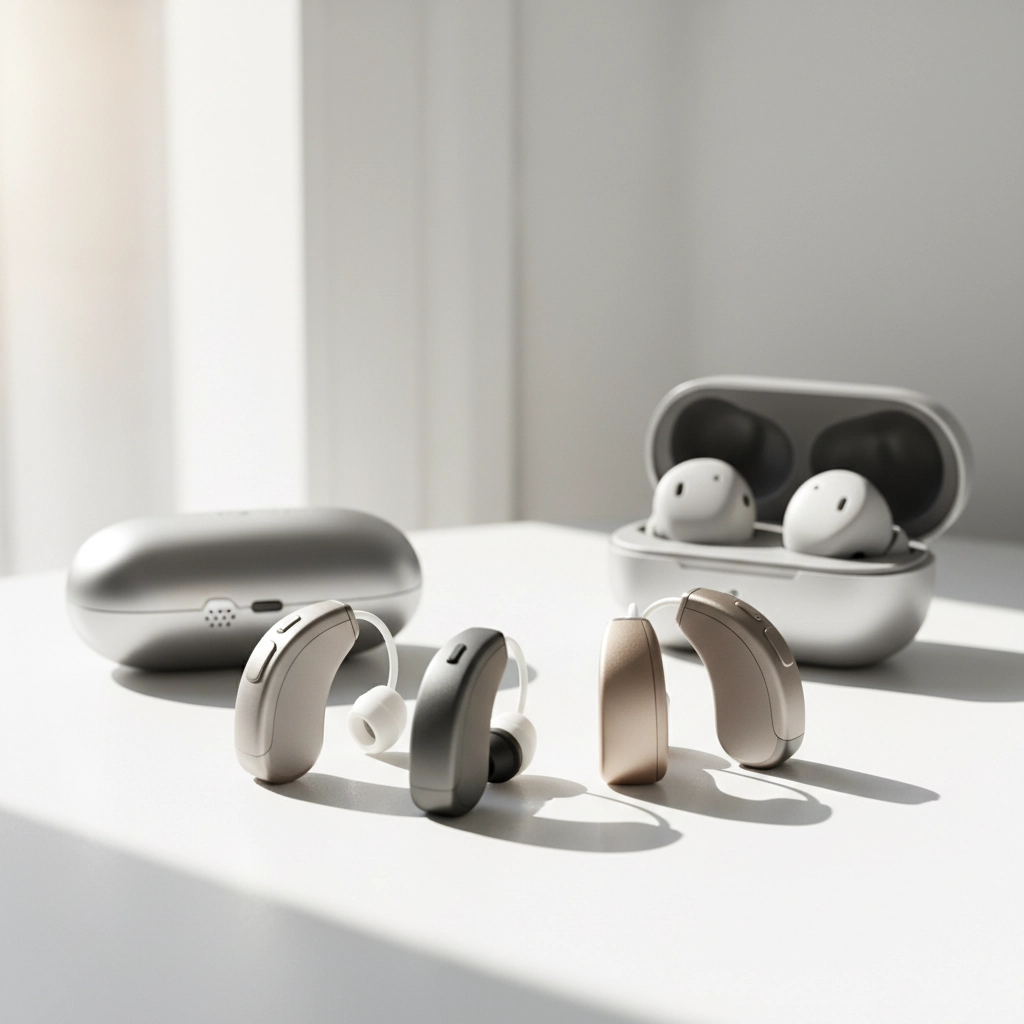
Hearing aids with advanced noise reduction and directional microphone systems can dramatically improve speech understanding in challenging environments. Modern devices include sophisticated algorithms designed specifically for processing disorders.
FM systems or personal amplifiers help in specific situations like lectures, meetings, or religious services by directly transmitting the speaker's voice to your ears while reducing background interference.
Auditory Training
Computerized auditory training programs help retrain your brain to process speech more effectively. These exercises focus on improving specific skills like distinguishing between similar sounds or following speech in noise.
Environmental Modifications
Simple changes to your environment can significantly improve listening success:
- Positioning yourself with your back to walls in restaurants
- Requesting seating away from kitchen areas or high-traffic zones
- Using carpets, curtains, and soft furnishings to reduce reverberation at home
- Advocating for better acoustics in work or educational settings
Communication Strategies
Learning effective communication techniques benefits both individuals with CAPD and their family members:
- Requesting that speakers face you directly when talking
- Asking for important information to be repeated or written down
- Using context clues to fill in missed words
- Advocating for your listening needs in professional and social situations
Taking the Next Step
If you recognize these symptoms in yourself or a family member, the most important step is seeking evaluation from qualified professionals who understand CAPD and hidden hearing loss. Don't let normal hearing test results discourage you from pursuing answers about ongoing listening difficulties.
Early diagnosis and appropriate intervention can dramatically improve your quality of life, work performance, and social relationships. With proper treatment, many people with CAPD successfully manage their condition and return to confident participation in all areas of life.
The "secret" about CAPD isn't that experts are hiding information: it's that this very real and treatable condition affects far more people than most realize, and specialized testing is required for accurate diagnosis.
Tags: CAPD, Central Auditory Processing Disorder, hidden hearing loss, speech in noise, auditory processing, hearing test, listening fatigue, sound sensitivity, hearing evaluation, auditory training
Contact us at 201-645-5440
