
Does Your Workplace Really Need Hearing Protection Fit Testing? Here's What NIOSH Says

The National Institute for Occupational Safety and Health (NIOSH) has issued a clear answer to the question that's been puzzling safety managers across industries: individual fit testing for hearing protection is now officially recommended for all workplace hearing conservation programs. The 2025 Science Policy Update marks a significant shift from decades-old guidance and reflects the current state of technology and research in occupational hearing protection.
Understanding NIOSH's New Recommendation
NIOSH now "recommends employers use individual, quantitative fit testing to evaluate the attenuation received by workers from their hearing protection devices." This recommendation positions fit testing as an essential practice to ensure that hearing protection devices are properly fit to each worker and provide the expected level of protection.
The guidance emphasizes that fit testing provides a more accurate estimate of actual worker protection compared to previous methods that relied on manufacturer ratings and mathematical derating formulas. This shift acknowledges that proper fit is the most critical factor in determining whether a hearing protector will actually protect an employee's hearing.
The Evolution from 1998 to 2025
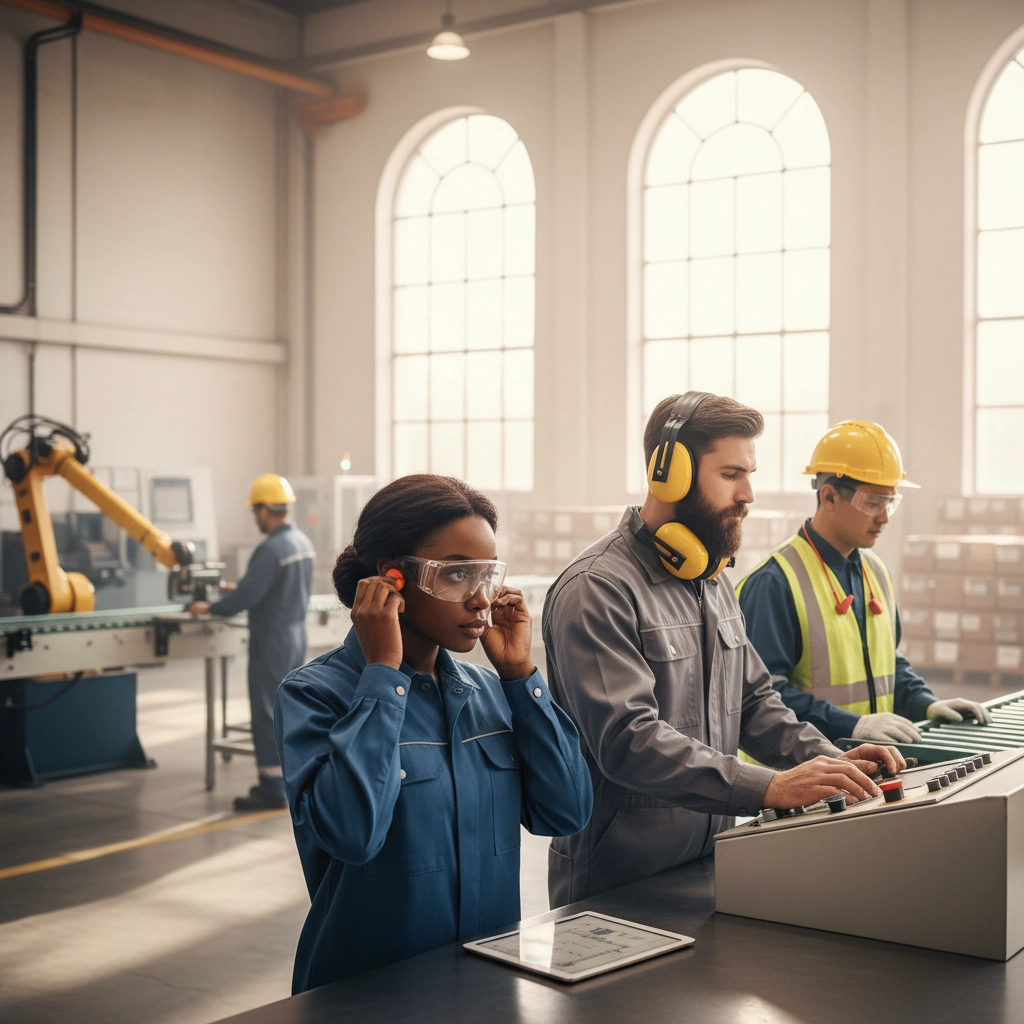
The previous NIOSH criteria document from 1998 had acknowledged that individual fit testing would be ideal, but at that time, commercially available fit-test systems simply didn't exist. Instead, NIOSH recommended derating the manufacturer's labeled Noise Reduction Rating (NRR) to estimate real-world protection levels.
This derating approach involved applying correction factors to account for the difference between laboratory testing conditions and real-world workplace use. However, this method had a fundamental limitation: it couldn't assess whether hearing protectors actually fit properly on individual workers.
Why the Change Was Necessary
Research conducted over the past two decades has revealed significant problems with the derating approach:
• Individual variation in ear canal shape means that the same hearing protector can provide vastly different protection levels for different workers
• Improper insertion techniques can reduce protection by 10-30 dB, even with properly sized devices
• Derating schemes cannot identify workers who are receiving inadequate protection
• Training effectiveness varies widely among employees, making standardized protection estimates unreliable
Today, fit-test systems are readily available from multiple manufacturers, and research has demonstrated that derating schemes cannot accurately determine proper fit for individual workers.
What Fit Testing Actually Involves
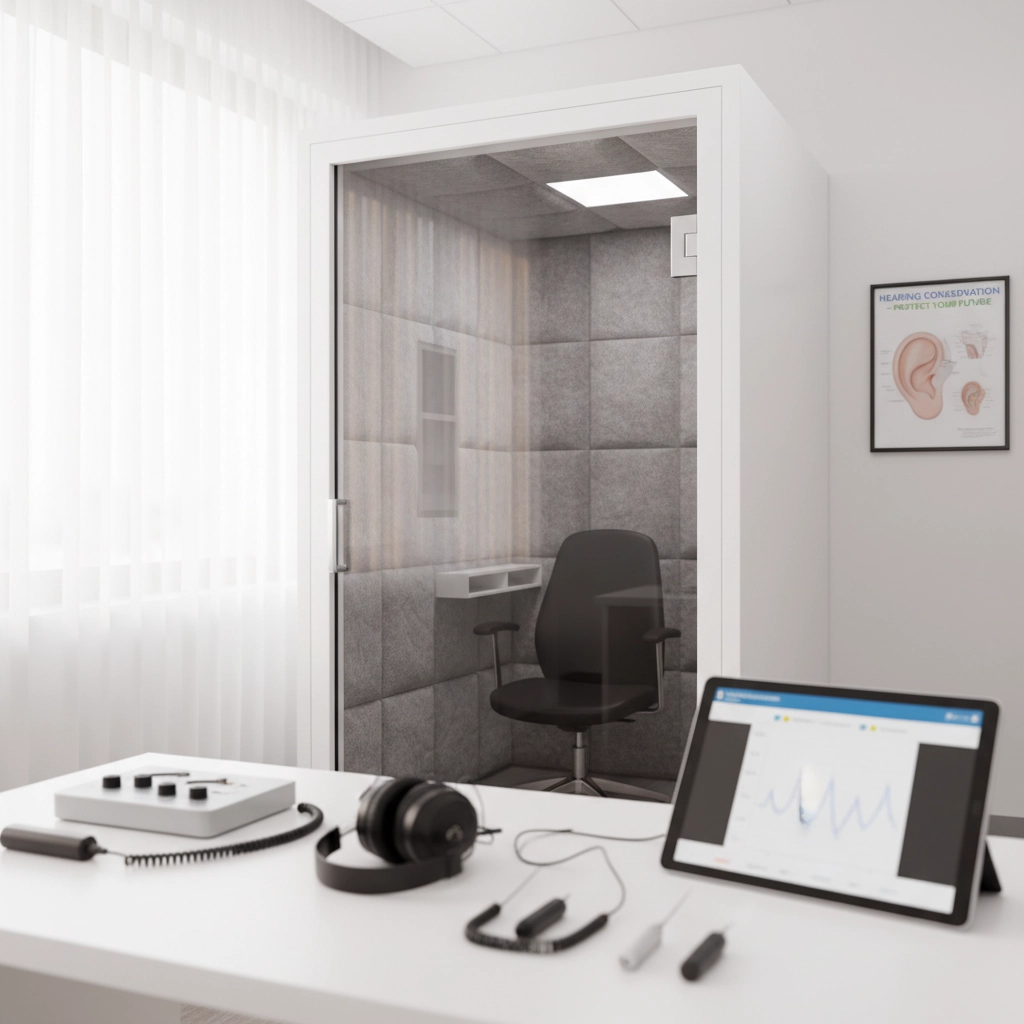
Hearing protection fit testing uses specialized equipment to measure the actual noise reduction a specific hearing protector provides for an individual worker. The process typically takes 10-15 minutes and involves placing the worker in a controlled acoustic environment while wearing their assigned hearing protection.
During the test, the worker hears specific test signals both with and without the hearing protector in place. The system calculates a Personal Attenuation Rating (PAR) that reflects the actual protection level achieved by that specific combination of worker and hearing protector.
Types of Fit Testing Systems
NIOSH does not mandate a specific fit-testing method but accepts any system that computes a personal attenuation rating using current Acoustical Society of America/American National Standards Institute standards. Common approaches include:
• Real ear attenuation at threshold (REAT) testing that measures hearing thresholds with and without protection
• Microphone-in-real-ear (MIRE) systems that use tiny microphones to measure sound levels inside the ear canal
• Loudness balance systems that compare perceived sound levels with and without protection
Benefits for Workplace Safety Programs
Implementing fit testing provides multiple advantages that extend beyond basic regulatory compliance:
Early Identification of At-Risk Workers
Fit testing can identify employees who are at risk of Standard Threshold Shifts before hearing damage occurs. Workers who consistently achieve inadequate fit can be retrained, refitted with different hearing protectors, or provided with additional protective measures before their hearing is permanently affected.
Enhanced Training Effectiveness
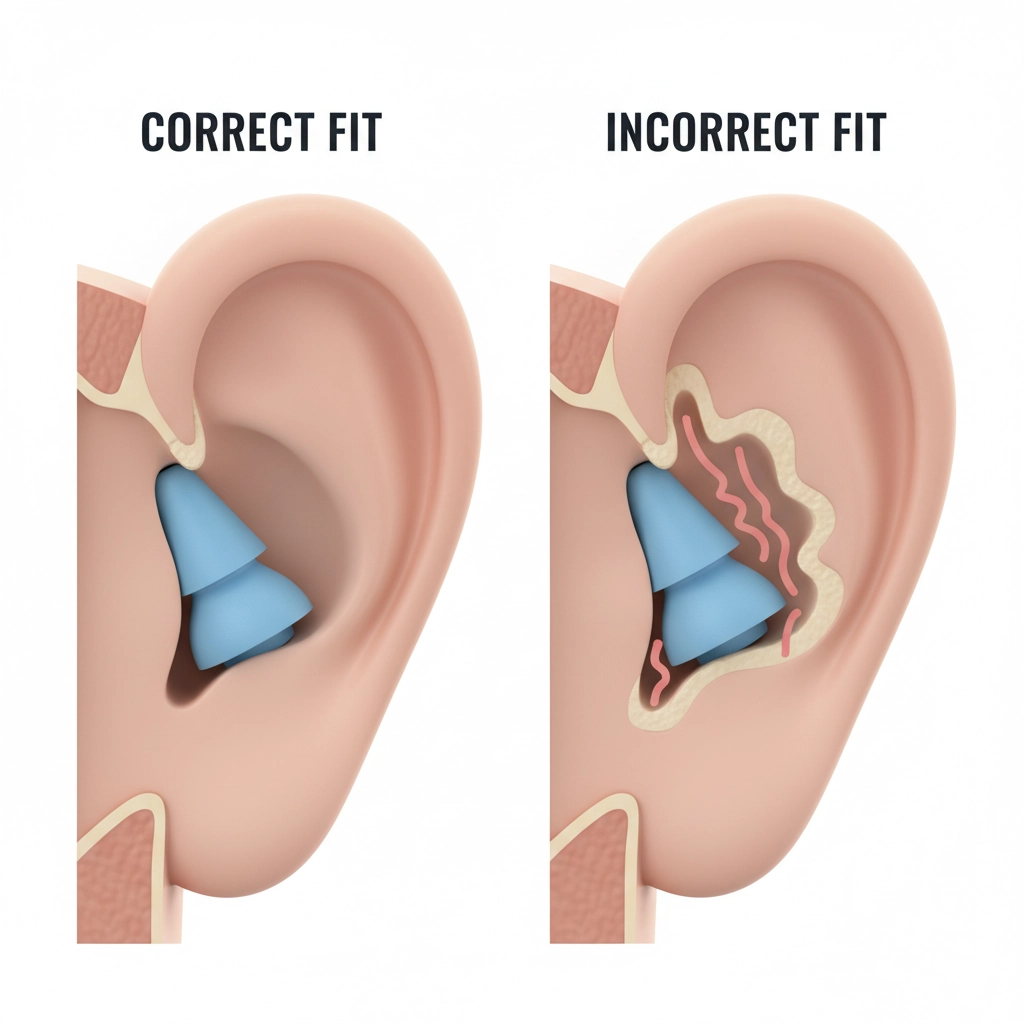
The fit testing process serves as a valuable training tool for proper hearing protector use. Workers can immediately see the impact of correct versus incorrect insertion techniques, making the training experience more concrete and memorable than traditional instruction methods alone.
OSHA Compliance Support
Fit testing helps employers fulfill OSHA requirements for refitting employees when audiograms show hearing loss or significant threshold shifts. The documented protection levels can demonstrate due diligence in hearing conservation efforts and provide evidence of appropriate protective measures.
Documentation and Record-Keeping
The process creates written documentation of hearing protector adequacy and training effectiveness. This documentation can be valuable for regulatory compliance, insurance purposes, and continuous improvement of hearing conservation programs.
Implementation Considerations for Employers
While NIOSH strongly recommends fit testing, it's important to note that fit testing is not yet mandated by most employee safety agencies, with the exception of the Department of Defense. However, NIOSH's endorsement signals that workplaces serious about hearing conservation should consider implementing fit testing as a best practice.
Cost-Benefit Analysis
The initial investment in fit testing equipment or services should be weighed against the potential costs of:
• Workers' compensation claims for occupational hearing loss
• Regulatory penalties for inadequate hearing conservation programs
• Lost productivity from communication difficulties in noisy environments
• Replacement and training costs for employees with hearing-related performance issues
Integration with Existing Programs
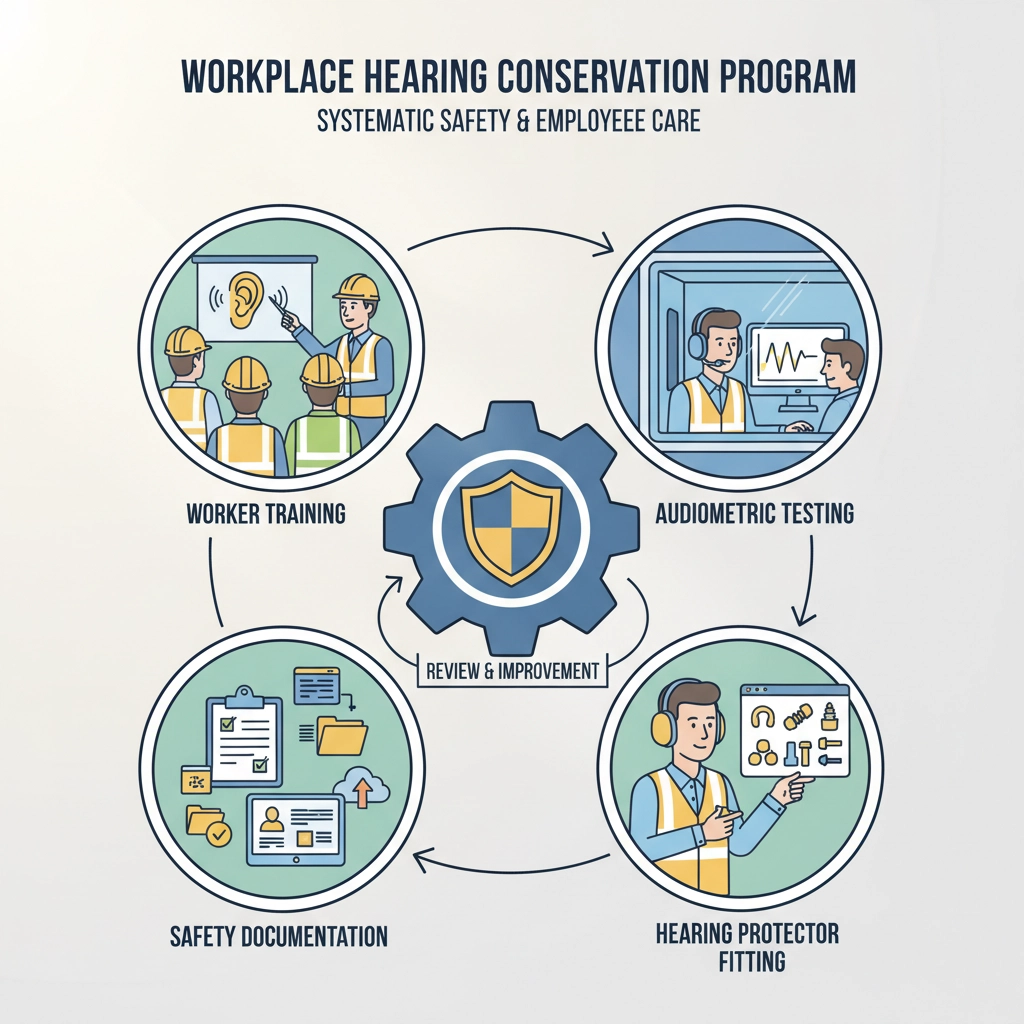
Fit testing can be incorporated into existing hearing conservation program activities such as:
• Annual audiometric testing appointments
• New employee orientation and training
• Periodic safety training refreshers
• Hearing protector replacement schedules
The Bottom Line for Workplace Safety
NIOSH's updated recommendation represents the current scientific consensus on hearing protection effectiveness. While compliance may not be legally required in most industries, the guidance reflects evidence-based best practices for protecting worker hearing.
Organizations that implement fit testing demonstrate a commitment to employee safety that goes beyond minimum regulatory requirements. This proactive approach can yield dividends in terms of employee health, regulatory compliance, and overall safety program effectiveness.
The technology is now available, the scientific evidence supports its effectiveness, and NIOSH has provided clear guidance. For employers serious about preventing occupational hearing loss, the question is no longer whether fit testing is necessary, but rather how quickly it can be integrated into existing hearing conservation programs.
SEO keyphrases: hearing protection fit testing, NIOSH recommendations 2025, workplace hearing safety, occupational hearing conservation, individual fit testing, hearing protector effectiveness, noise exposure protection, workplace safety compliance, hearing loss prevention, occupational audiology services. Meta description: NIOSH's 2025 update officially recommends individual fit testing for hearing protection devices. Discover what this means for your workplace hearing conservation program and employee safety requirements. Tags: hearing protection, fit testing, NIOSH guidelines, workplace safety, occupational hearing loss, hearing conservation program, noise exposure, employee safety, audiometry, hearing protection devices, occupational health, safety compliance, hearing loss prevention, industrial hygiene, safety management.
Contact us at 201-645-5440 for expert guidance on implementing hearing protection fit testing and comprehensive occupational hearing conservation programs for your workplace.
