
Does Your Child Really Need CAPD Testing? Here's the Truth About Auditory Processing Disorders

As a parent, watching your child struggle to follow directions or understand conversations despite having normal hearing can be frustrating and concerning. You might wonder if Central Auditory Processing Disorder (CAPD) could be the culprit, and whether formal testing is necessary. The answer isn't always straightforward, but understanding the key factors can help you make an informed decision about your child's needs.
What CAPD Actually Means for Your Child
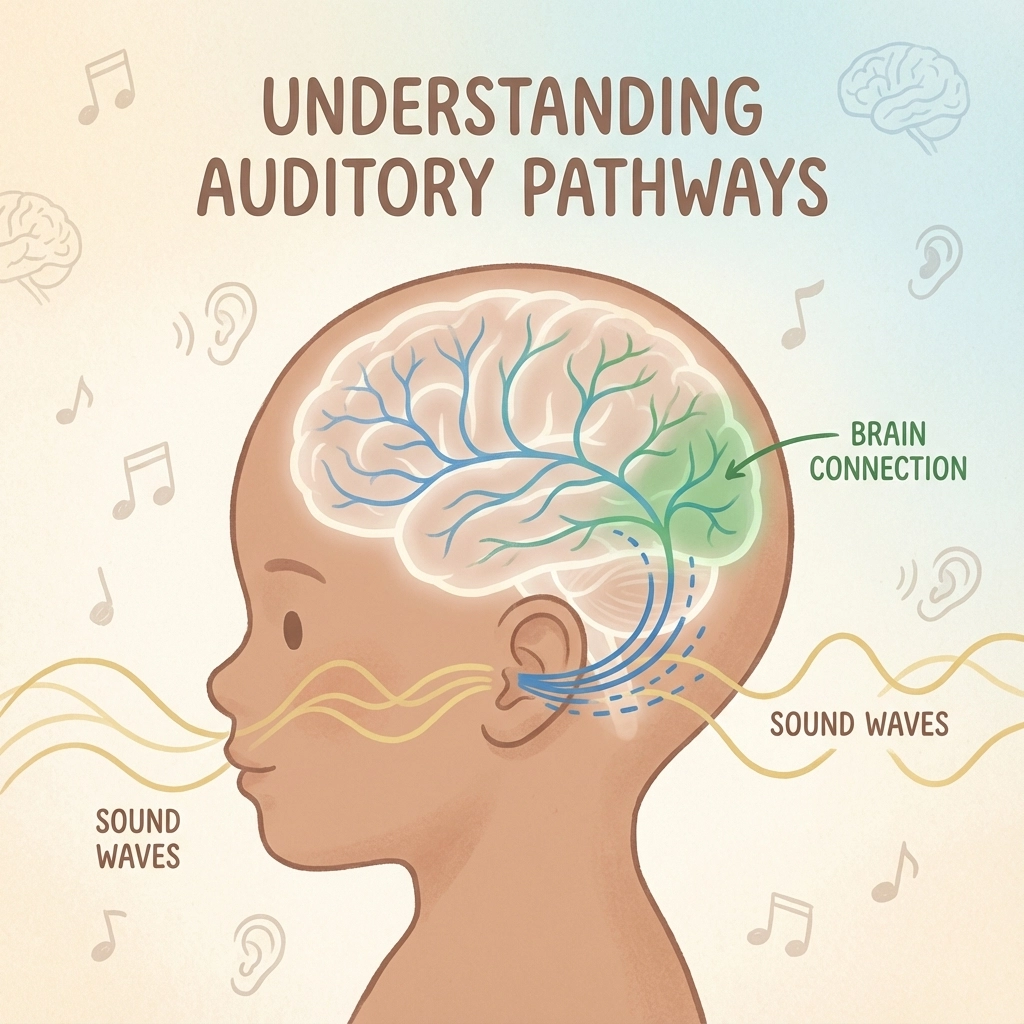
Central Auditory Processing Disorder is fundamentally different from hearing loss. Children with CAPD can hear sounds normally, but their brain has difficulty interpreting and making sense of what they hear. The disconnect occurs between the ears and the brain, sound is received normally, but the central auditory nervous system struggles to process it effectively.
Think of it this way: your child's ears are like perfectly functioning microphones, but the "recording equipment" in their brain isn't processing the audio signal correctly. This means a child might hear you speaking clearly but have trouble understanding your words, especially in challenging listening environments like noisy classrooms or busy restaurants.
Red Flags That Suggest CAPD Testing Might Be Warranted
Children are typically referred for CAPD evaluation when they exhibit specific patterns that concern parents, teachers, or speech-language pathologists. The most common signs include:
- Frequently saying "what?" or "huh?" despite passing hearing screenings
- Significant difficulty hearing and understanding in noisy environments
- Trouble discriminating between similar sounds or words
- Difficulty following directions, particularly multi-step instructions
- Academic struggles, especially with phonics and reading development
- Mishearing messages or words consistently
- Appearing to ignore instructions when actually struggling to process them
However, the presentation of auditory processing difficulties varies significantly among children. Some children with auditory processing impairments show no obvious deficits at all, while others display clear struggles. This variability reflects the fact that auditory processing encompasses numerous distinct processes rather than a single function.
Age Requirements: The Most Critical Factor
The most important consideration for CAPD testing is your child's age. Reliable testing can only be conducted for children who are 7 years old and older. This age restriction exists because the standardized tests used for CAPD assessment were specifically developed and normed on children aged 7 and older.
Why Age Matters So Much
Younger children will almost always perform poorly on these tests, even without CAPD, because their neurological and auditory pathways haven't matured sufficiently. The brain's auditory processing system continues developing well into the school-age years, making test results unreliable for younger children.
For children aged 6, audiologists may proceed with testing but only after carefully explaining the limitations in what the results can reveal. The interpretation becomes much more cautious, and parents need to understand that results may not provide definitive answers.
For children 5 years old and younger, professionals typically refer families to other specialists based on the primary concerns rather than conducting formal CAPD testing. However, screening tools like questionnaires, checklists, language assessments, and cognitive evaluations may help identify younger children who have or may develop auditory difficulties.
The Comprehensive Evaluation Process
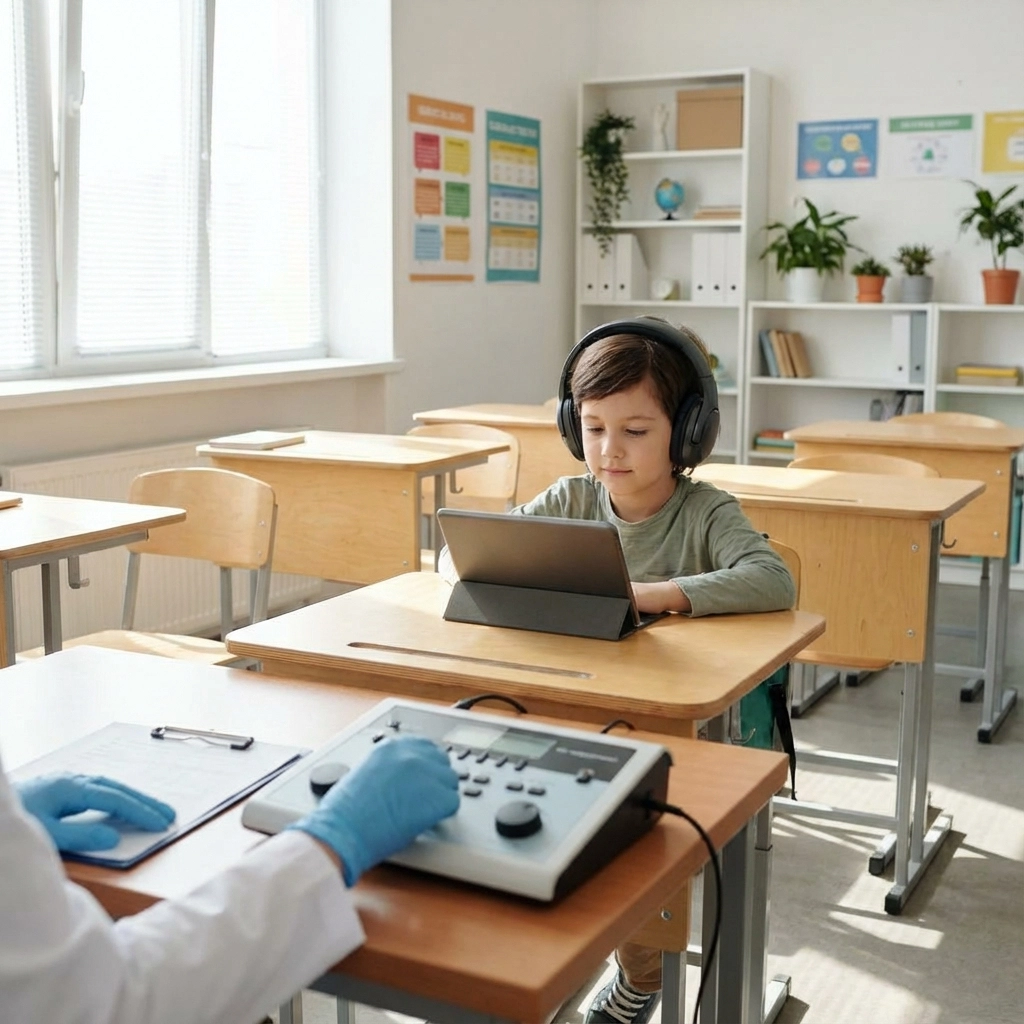
If your child meets the age criteria and shows concerning signs, the evaluation typically involves two distinct phases:
Phase One: Comprehensive Audiological Evaluation
This initial appointment, lasting approximately one hour, rules out hearing loss through traditional hearing testing. This step is essential because intervention strategies for hearing loss differ significantly from those for CAPD. The audiologist will conduct various tests to ensure your child's hearing sensitivity is within normal limits across different frequencies.
Phase Two: Comprehensive CAPD Testing Battery
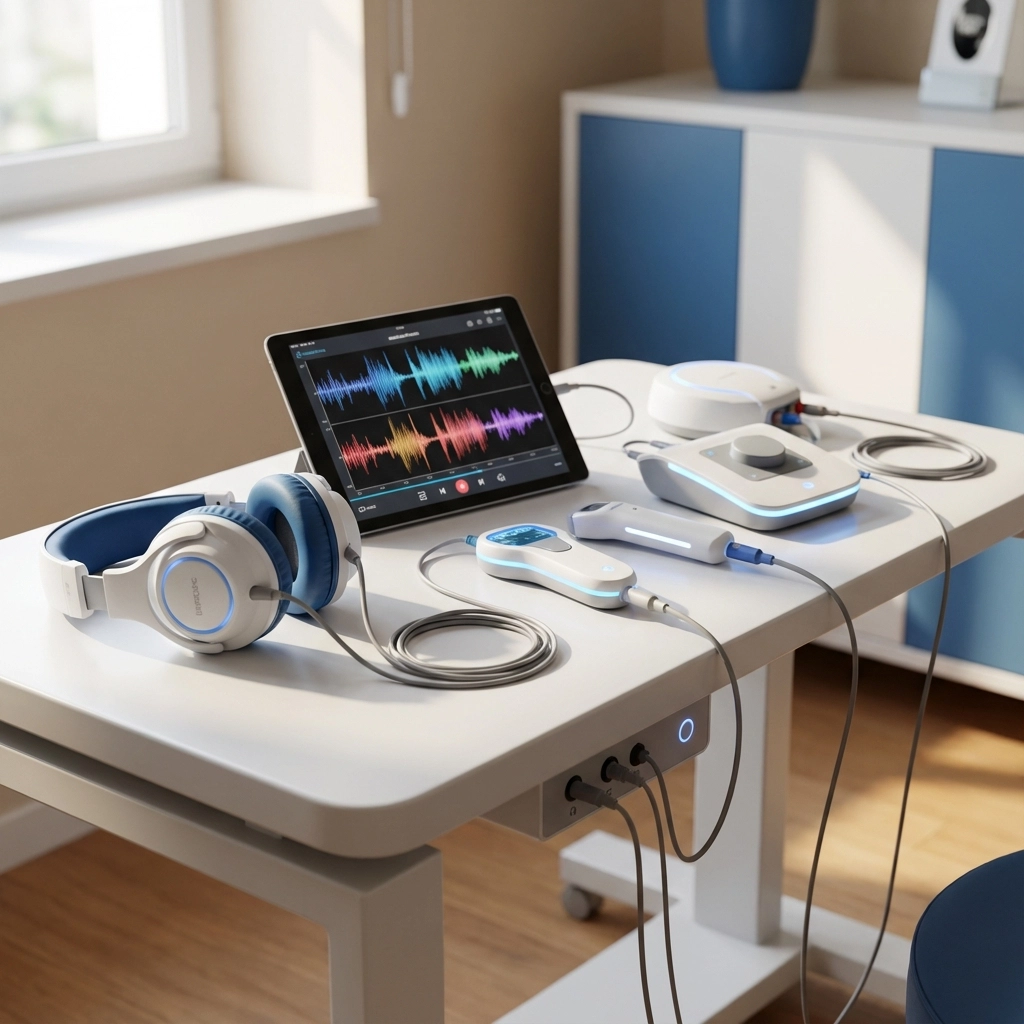
If hearing is normal and further testing is warranted, the audiologist conducts approximately 90 minutes of challenging listening activities through headphones. Your child listens to speech material, tones, or numbers presented in various ways and repeats what they hear. Their performance is then compared to age-matched peers using standardized norms.
The testing battery may include assessments of:
- Auditory discrimination abilities
- Temporal processing skills
- Binaural integration and separation
- Auditory pattern recognition
- Speech-in-noise understanding
An audiologist and speech-language pathologist often collaborate in the diagnostic process, as they focus on different aspects of auditory function. The audiologist evaluates reception and delivery of auditory input to the central nervous system, while the speech-language pathologist assesses linguistic processing components.
Understanding Diagnostic Variability and Prevalence
The reported prevalence of CAPD in school-age children varies dramatically, ranging from 0.2% to 6.2% depending on the study methodology and diagnostic criteria used. One significant research finding reveals that when different diagnostic criteria are applied to the same population of children, prevalence estimates can range from 7.3% to 96%.
This extreme variability underscores several important points:
- The importance of using consistent, evidence-based diagnostic protocols
- The need for experienced professionals who understand the nuances of interpretation
- The value of comprehensive evaluation rather than relying on single test results
When Professional Referral Guides Decision-Making
Research suggests that professional referral itself serves as an effective screening tool. If a parent, educator, speech-language pathologist, pediatrician, or other professional involved in your child's care is sufficiently concerned about auditory processing to suggest formal evaluation, the concern is usually substantial enough to warrant testing.
Teachers often provide particularly valuable insights, as they observe your child's listening performance in challenging acoustic environments daily. Their observations about classroom behavior, academic performance, and response to auditory instructions can significantly inform the decision about whether testing is appropriate.
Making the Decision: Does Your Child Need Testing?
Your child likely benefits from CAPD testing if they meet these criteria:
Age and Development:
- 7 years old or older (or 6 with understanding of limitations)
- Demonstrates age-appropriate attention and cooperation abilities
Professional Concerns:
- A qualified professional has expressed specific concern about auditory processing
- Multiple adults in different settings notice similar listening difficulties
Specific Symptoms:
- Persistent difficulty hearing in noise despite normal hearing sensitivity
- Consistent trouble following directions or understanding speech
- Academic struggles that might relate to auditory processing deficits
Ruling Out Other Factors:
- Normal hearing sensitivity has been confirmed
- Attention difficulties, language disorders, and other potential causes have been considered
When Testing Isn't Necessary
Formal CAPD testing may not be appropriate if your child is younger than 6, doesn't display specific auditory processing concerns, or if other factors (such as hearing loss, attention deficits, or language delays) better explain their difficulties. In these cases, addressing the underlying issues or waiting for further development may be more beneficial.
The Value of Early Identification
When CAPD concerns are identified appropriately, early intervention can be highly beneficial. The brain's neuroplasticity during childhood years allows for significant improvement through targeted therapy and environmental modifications. Children who receive appropriate support often develop effective compensatory strategies and show meaningful improvement in listening skills.
Treatment approaches may include auditory training, environmental modifications, assistive listening devices, and collaborative strategies between families and schools. The key is ensuring that any intervention is based on accurate diagnosis and implemented by qualified professionals who understand the complexities of auditory processing.
Understanding whether your child needs CAPD testing requires careful consideration of age, symptoms, and professional input. When these factors align appropriately, comprehensive evaluation can provide valuable insights that guide effective intervention strategies.
Tags: Central Auditory Processing Disorder, CAPD testing, child hearing evaluation, auditory processing symptoms, pediatric audiology, hearing assessment, speech understanding difficulties, learning difficulties, classroom listening problems, auditory development, hearing specialists, 201-645-5440
Contact us at 201-645-5440
