
Tinnitus Relief in 2025: Why Low-Intensity Sound Therapy Is Replacing Traditional Masking

Tinnitus, the perception of ringing, buzzing, or other phantom sounds in the ears, affects approximately 50 million Americans. For decades, the primary approach to managing this challenging condition has been traditional sound masking – using external sounds to cover up the internal noise. However, 2025 marks a significant turning point in tinnitus treatment, with low-intensity sound therapy and advanced neuroplasticity-based interventions leading a revolutionary shift in how audiologists approach this persistent condition.
Understanding Traditional Sound Masking
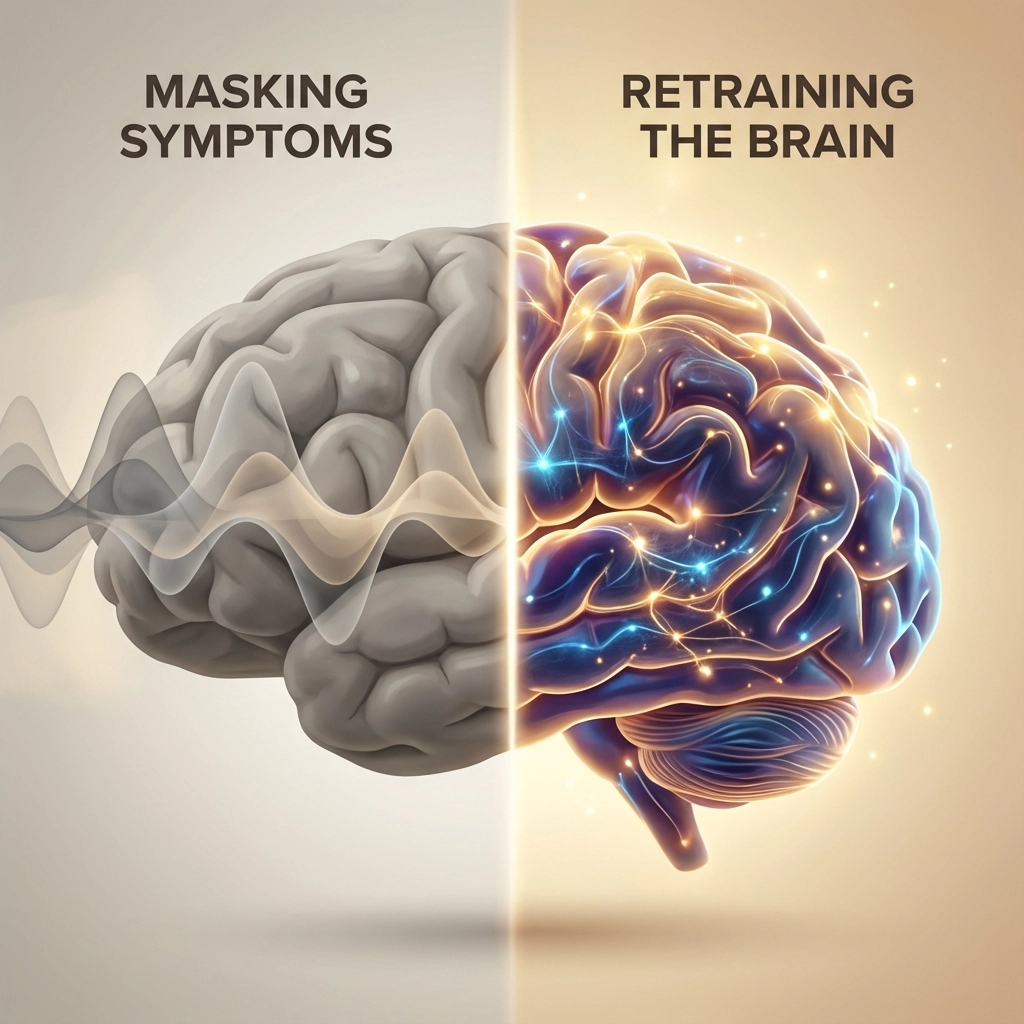
Traditional sound masking operates on a simple principle: external sounds are used to partially or completely cover the tinnitus sounds that individuals perceive. This approach typically involves white noise machines, ambient sound apps, or specialized masking devices that produce consistent background noise. While masking can provide temporary relief, it functions as a bandage solution rather than addressing the underlying neurological processes that generate tinnitus.
The limitations of traditional masking become apparent over time. Many individuals find that when the masking sound is removed, their tinnitus returns at the same intensity or sometimes feels even more pronounced due to the contrast. Additionally, masking requires ongoing dependence on external sound sources, which can be inconvenient and may interfere with daily activities or sleep quality.
The Science Behind Low-Intensity Sound Therapy
Low-intensity sound therapy represents a fundamentally different approach to tinnitus management. Rather than simply covering up the phantom sounds, this method aims to retrain the brain's auditory processing pathways through carefully calibrated sound stimulation. The therapy uses specific frequencies and intensities designed to promote neuroplasticity – the brain's ability to reorganize and form new neural connections.
The mechanism involves presenting therapeutic sounds at levels that allow the brain to process both the tinnitus and the treatment sound simultaneously. This concurrent processing enables the auditory system to gradually reduce its hypersensitivity to the tinnitus frequencies, leading to long-term reduction in symptom severity rather than temporary masking.
Breakthrough Technologies Leading the Change
Bimodal Neuromodulation: The Game Changer
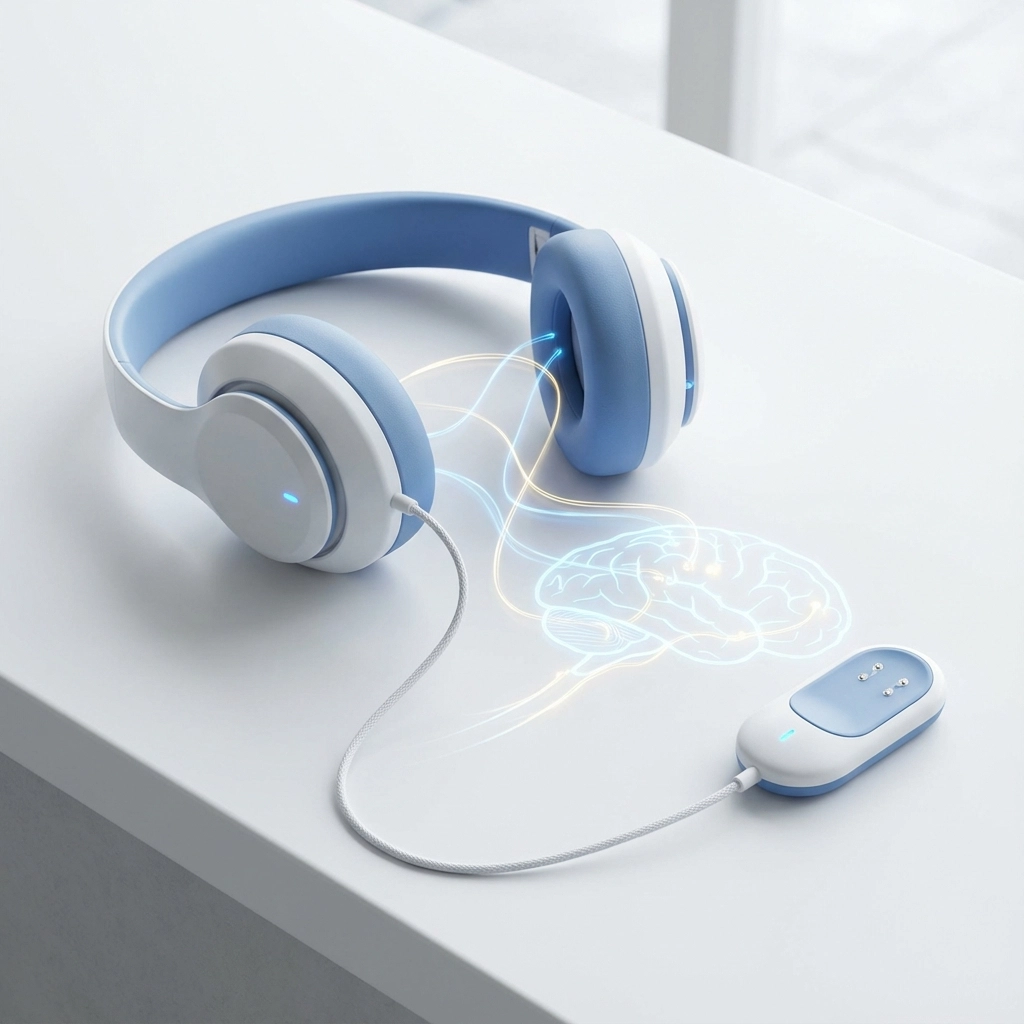
The most significant advancement in tinnitus treatment comes from bimodal neuromodulation, specifically through devices like the FDA-approved Lenire system. This innovative approach combines mild electrical pulses delivered to the tongue with recorded sounds played through headphones simultaneously. The dual stimulation targets multiple neural pathways, training the brain to downplay tinnitus perception rather than simply covering it up.
Clinical research demonstrates remarkable effectiveness with this approach. In recent studies, 91.5% of patients experienced clinically meaningful reduction in tinnitus after just 12 weeks of treatment. This represents the most favorable method of tinnitus management documented to date, making Lenire the first and only tinnitus management device in the United States to receive FDA approval and be considered both efficacious and non-experimental.
Notch Music Therapy
Another innovative low-intensity approach involves notch music therapy, which precisely filters out sounds in the frequency range that corresponds to an individual's specific tinnitus tone. This personalized treatment allows patients to listen to their preferred music while receiving therapeutic benefit. The brain learns to fill in the filtered frequencies, gradually reducing its focus on the tinnitus sounds in that same frequency range.
Hearing Aid Integration
Modern hearing aids now incorporate sophisticated sound therapy algorithms that deliver low-intensity therapeutic sounds alongside amplification for hearing loss. These devices can provide continuous, comfortable sound therapy throughout the day without the obtrusiveness of traditional masking sounds. The integration allows for seamless treatment that doesn't interfere with communication or environmental awareness.
Why Traditional Masking Falls Short
The shift away from traditional masking reflects growing understanding of tinnitus as a neurological condition rather than simply an auditory problem. Research shows that tinnitus often involves changes in brain regions responsible for attention, emotion, and memory – not just the auditory cortex. Traditional masking only addresses the auditory component while ignoring these crucial neurological factors.
Furthermore, masking can sometimes lead to auditory habituation, where the brain becomes accustomed to both the masking sound and the tinnitus, potentially reducing the effectiveness of treatment over time. Some individuals also experience rebound effects, where tinnitus seems more noticeable after masking sounds are removed.
Comprehensive Treatment Approaches in 2025
Modern tinnitus management recognizes that effective treatment often requires a multi-modal approach that addresses various aspects of the condition simultaneously.
Cognitive Behavioral Therapy Integration
Cognitive Behavioral Therapy (CBT) delivered through video calls has shown promising results when combined with sound therapy approaches. CBT helps individuals develop coping strategies and reduce the emotional distress associated with tinnitus, while low-intensity sound therapy addresses the neurological aspects of the condition.
Personalized Sound Therapy Protocols
Advances in diagnostic technology allow audiologists to create highly personalized sound therapy protocols based on detailed analysis of each individual's tinnitus characteristics. Tinnitus pitch matching and loudness matching assessments guide the selection of optimal therapeutic frequencies and intensities for maximum effectiveness.
Environmental Sound Management
Rather than relying on artificial masking sounds, modern approaches emphasize environmental sound optimization. This involves strategically using natural sounds and ambient environments to provide therapeutic benefit while maintaining connection to the acoustic world.
Clinical Evidence Supporting the Shift
Research data from 2025 consistently demonstrates superior outcomes with neuroplasticity-based approaches compared to traditional masking. Studies show that patients using low-intensity sound therapy combined with neuromodulation techniques experience:
- Sustained tinnitus reduction lasting beyond treatment periods
- Improved quality of life measures
- Reduced dependency on external sound sources
- Better sleep quality and concentration
- Lower levels of tinnitus-related anxiety and depression
The effectiveness stems from these treatments' ability to create lasting changes in neural processing rather than providing temporary symptom relief.

Implementation in Clinical Practice
Audiologists implementing these advanced approaches begin with comprehensive tinnitus evaluations that go beyond traditional hearing assessments. Modern protocols include detailed tinnitus characterization, impact assessments, and analysis of associated conditions such as hyperacusis or hearing loss.
Treatment planning involves careful selection of appropriate technologies based on individual tinnitus profiles, lifestyle factors, and treatment goals. Many practices now offer combination therapies that might include bimodal neuromodulation, personalized sound therapy, and counseling support delivered through coordinated care teams.
Future Directions and Emerging Technologies
The evolution continues with experimental approaches under investigation, including vagus nerve stimulation paired with sound therapy and non-invasive brain stimulation methods. These techniques aim to provide even more targeted intervention in the neural circuits involved in tinnitus generation and maintenance.
Artificial intelligence integration promises to further personalize treatment protocols by analyzing patterns in treatment response and optimizing therapeutic parameters in real-time based on individual progress.
The Road to Lasting Relief
The transition from traditional masking to low-intensity sound therapy represents more than a technological upgrade – it reflects a fundamental shift in understanding tinnitus as a treatable neurological condition. Rather than teaching patients to live with their symptoms through masking, modern approaches offer genuine potential for lasting improvement through neural retraining.
This evolution provides new hope for the millions of individuals who have found traditional treatments inadequate. As these advanced therapies become more widely available, the prospect of meaningful tinnitus relief becomes increasingly realistic for those who have struggled with this challenging condition.
For individuals experiencing persistent tinnitus, consultation with an audiologist experienced in these modern approaches can provide access to the most effective treatment options available in 2025. The combination of advanced technology, personalized protocols, and comprehensive care offers unprecedented opportunities for achieving lasting tinnitus relief.
Tags: tinnitus relief, sound therapy, bimodal neuromodulation, Lenire device, hearing loss, audiology treatment, neuroplasticity, tinnitus management, FDA approved devices, personalized medicine
Contact us at 201-645-5440
