
Are You Making These Common Hearing Aid Mistakes? The Mobile Audiologist's Guide

Hearing aids represent a significant investment in quality of life, yet many individuals unknowingly compromise their effectiveness through preventable mistakes. These sophisticated medical devices require proper usage, maintenance, and professional support to deliver optimal results. Understanding and avoiding common pitfalls can dramatically improve hearing aid performance, extend device lifespan, and enhance the overall user experience.
Daily Usage Mistakes That Undermine Success
Inconsistent Wearing Patterns
The most detrimental mistake involves treating hearing aids as optional accessories rather than essential medical devices. Sporadic usage prevents the brain from adapting to amplified sounds, creating a cycle of discomfort and avoidance. The auditory system requires consistent stimulation to recalibrate and process new sound information effectively.
Successful hearing aid users wear their devices throughout waking hours, even during quiet activities at home. This consistent exposure allows the brain to gradually adjust to the enhanced auditory input, making conversations and environmental sounds feel more natural over time.
Premature Abandonment During Adjustment Period
New hearing aid users often experience auditory overload during the initial weeks of use. Previously unheard sounds – air conditioning, footsteps, paper rustling – can feel overwhelming and exhausting. This phenomenon, known as hearing-related fatigue, causes many individuals to abandon their devices prematurely.
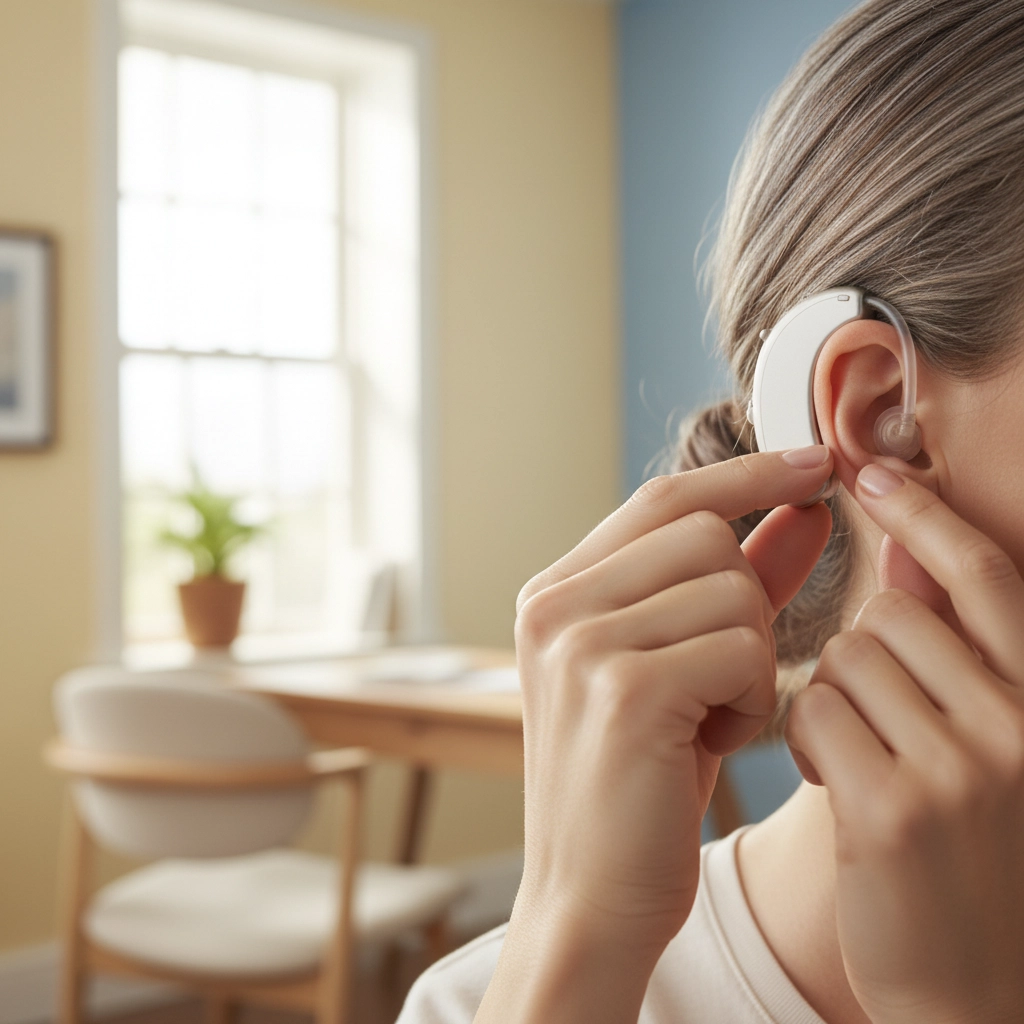
The adjustment period typically spans several weeks to months, requiring patience and gradual exposure. Beginning with short wearing periods in quiet environments and progressively increasing usage duration helps the brain adapt without becoming overwhelmed.
Single-Sided Usage When Bilateral Fitting Is Recommended
Many individuals opt to wear only one hearing aid when their audiologist recommends bilateral fitting. This approach significantly limits spatial awareness, sound localization abilities, and overall hearing clarity. Binaural hearing provides crucial advantages including improved speech understanding in noise and better balance of sound perception.
Maintenance and Care Errors
Inadequate Daily Cleaning Routines
Earwax, moisture, dust, and debris accumulate on hearing aids throughout daily wear. Failing to establish consistent cleaning protocols leads to component malfunction, reduced sound quality, and shortened device lifespan. Many users underestimate how quickly buildup occurs and its impact on performance.
Daily cleaning should include gentle wiping with a soft, dry cloth and regular use of appropriate cleaning tools. Specialized brushes and cleaning kits remove debris from microphone ports and receivers without damaging delicate components.
Moisture and Environmental Damage
Despite water-resistant ratings, hearing aids remain vulnerable to moisture damage from swimming, showering, excessive humidity, or perspiration. Environmental protection requires conscious effort to remove devices before water exposure and proper storage in dry conditions.
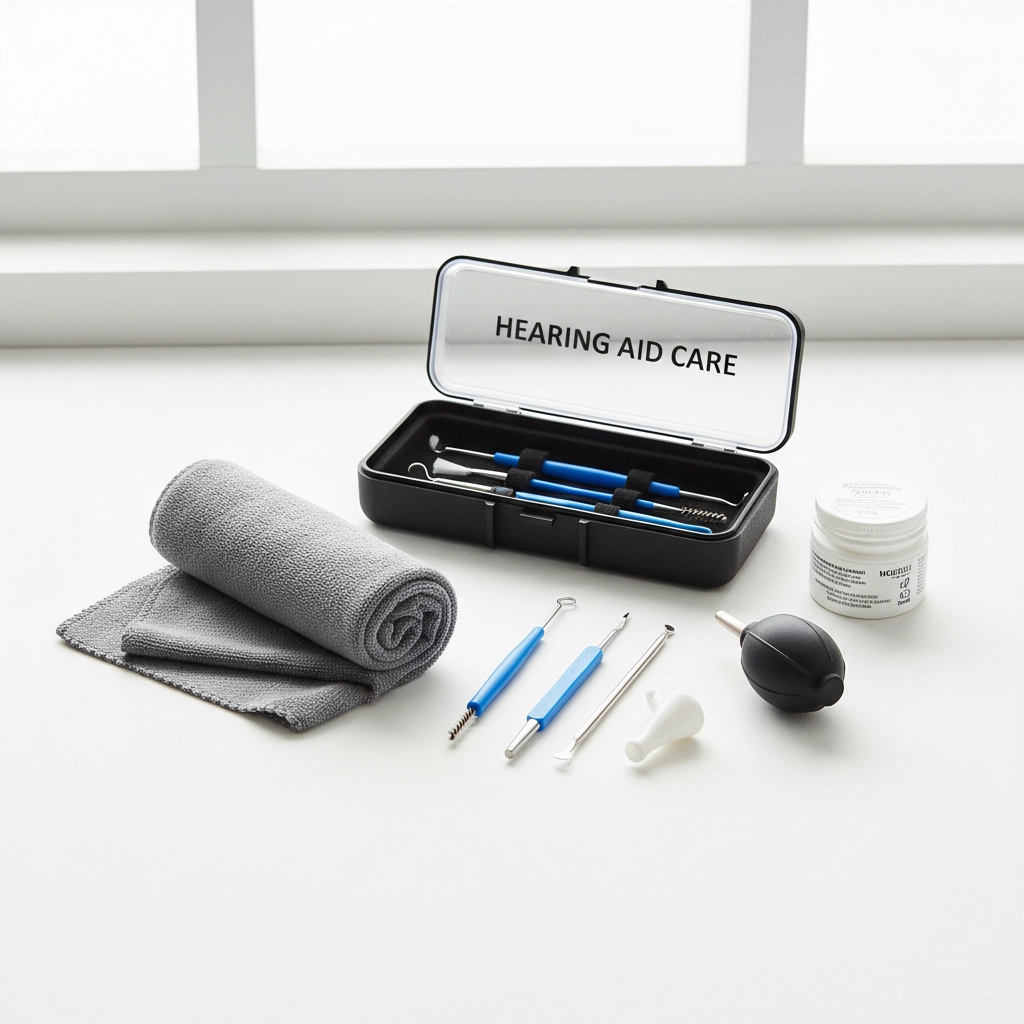
Extreme temperatures also pose risks, whether from direct sunlight in vehicles, near heating sources, or in freezing conditions. Professional dehumidification systems can provide additional protection in humid climates or for active individuals who perspire heavily.
Battery and Power Management Issues
Power-related problems create frustrating interruptions and potentially dangerous situations when hearing aids fail unexpectedly. Battery maintenance involves understanding replacement schedules for disposable batteries or establishing consistent charging routines for rechargeable models.
Common power mistakes include forgetting to turn off devices when not in use, using incorrect battery sizes, or allowing rechargeable batteries to completely drain regularly. These practices reduce battery life and create reliability issues.
Technical and Feature Mistakes
Underutilizing Advanced Features
Modern hearing aids offer sophisticated technology including directional microphones, noise reduction algorithms, and multiple listening programs designed for specific environments. Many users never explore these capabilities, missing opportunities to optimize their hearing experience.
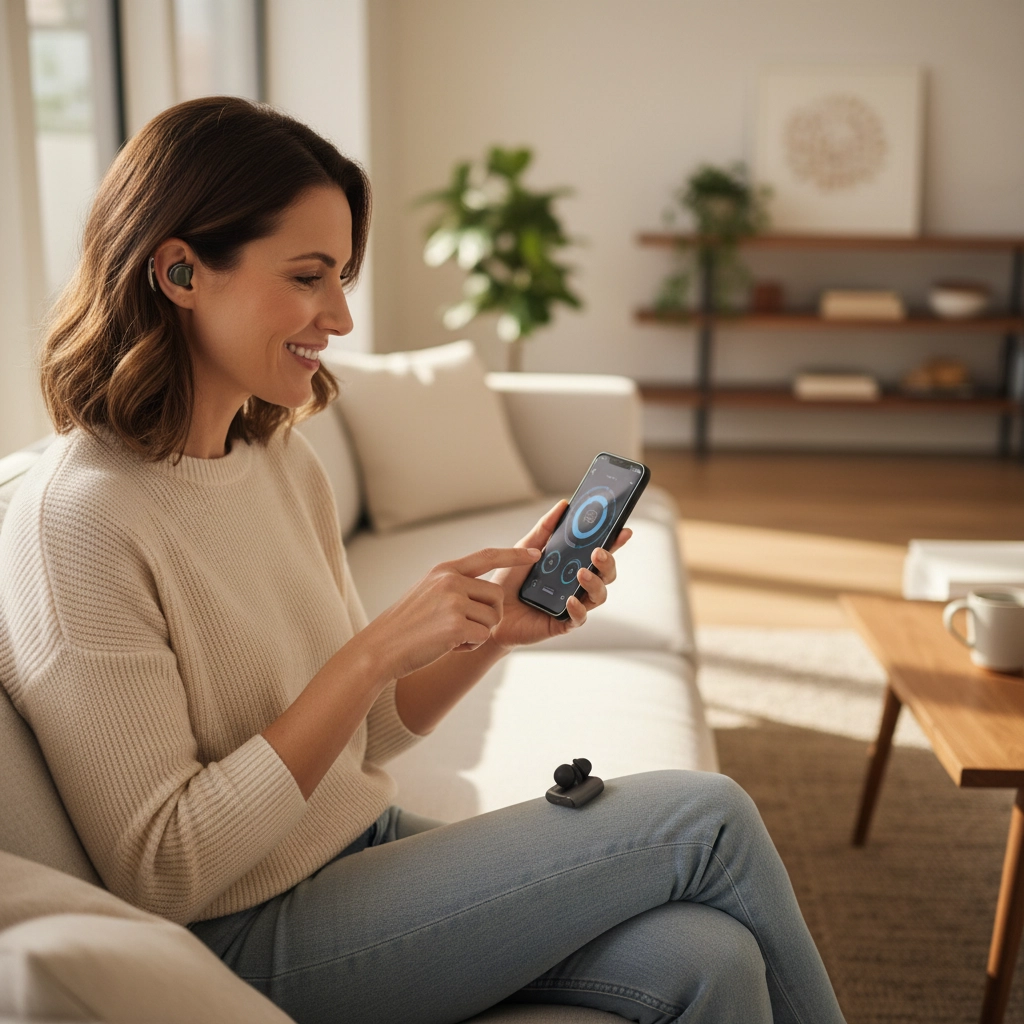
Smartphone applications often provide additional control options, allowing users to adjust settings, monitor battery life, and access specialized programs for restaurants, music, or outdoor activities. Failing to learn these features limits the devices' full potential.
Inappropriate Setting Selection
Hearing aids with multiple programs or automatic adaptation features require proper utilization to match different listening environments. Using the same setting for quiet conversations and noisy restaurants creates suboptimal performance in both situations.
Understanding when and how to switch between programs – whether manually or through smartphone apps – significantly improves hearing clarity across various acoustic environments.
Improper Volume and Tone Adjustments
Some users frequently adjust volume controls without understanding optimal settings for different situations. Volume management should complement, not replace, appropriate program selection and professional fitting adjustments.
Excessive volume increases can cause feedback, discomfort, and potential hearing damage, while insufficient amplification reduces speech clarity and environmental awareness.
Professional Support Gaps
Skipping Follow-Up Appointments
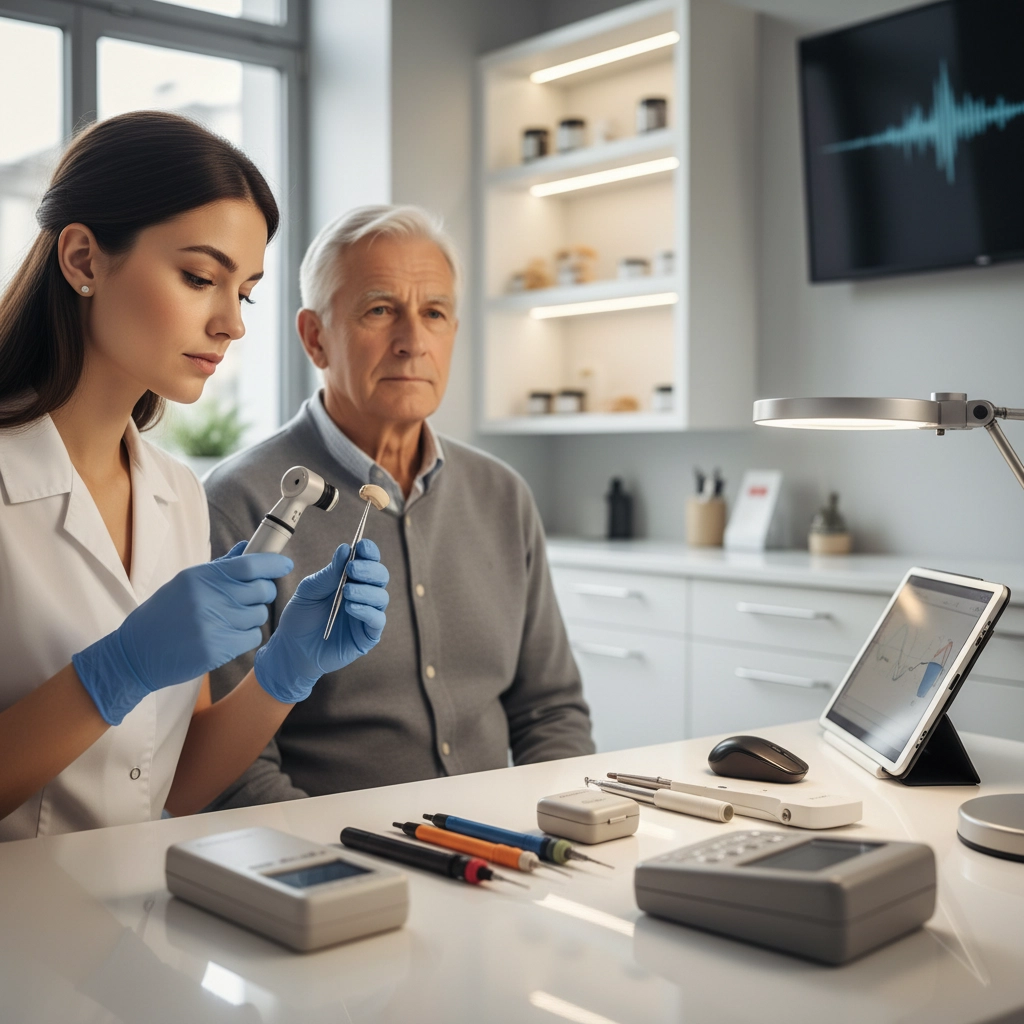
Regular audiological visits allow for necessary adjustments as hearing needs evolve and users become more familiar with their devices. Professional maintenance includes cleaning internal components, updating software, and fine-tuning amplification parameters.
Many users assume their initial fitting will remain optimal indefinitely, missing opportunities for improvements that enhance comfort and performance. Hearing loss often progresses gradually, requiring periodic adjustments to maintain optimal benefit.
Poor Communication with Audiologists
Successful hearing aid outcomes depend on honest, detailed communication about daily experiences, challenges, and goals. Some users hesitate to report problems, assuming they should simply adapt to uncomfortable or ineffective settings.
Effective communication includes describing specific listening situations, reporting physical discomfort, and discussing lifestyle changes that might affect hearing aid needs. Patient advocacy ensures devices meet individual requirements rather than generic programming parameters.
Inadequate Initial Fitting Process
Rushing through the fitting process or working with unqualified providers creates fundamental problems that persist throughout device ownership. Proper fitting requires comprehensive hearing evaluation, lifestyle assessment, and careful programming adjustments.
Quality audiological care includes real ear measurements, verification testing, and patient education about device operation and maintenance procedures.
Troubleshooting Common Issues
Feedback and Whistling Sounds
High-pitched squealing occurs when amplified sound re-enters the hearing aid microphone, creating an acoustic feedback loop. Feedback management involves ensuring proper fit, avoiding hand placement near devices, and utilizing advanced feedback cancellation features.
Persistent feedback often indicates earwax buildup, poor fit, or component problems requiring professional attention. Ignoring feedback issues reduces device effectiveness and creates social embarrassment.
Performance Inconsistencies
Intermittent function problems often stem from moisture accumulation, battery issues, or component wear. Troubleshooting protocols help identify common causes before requiring professional service.
Simple steps include checking battery placement, cleaning debris from ports, and ensuring proper device positioning. Documenting when problems occur helps audiologists diagnose underlying causes more effectively.
Maximizing Long-Term Success
Avoiding these common mistakes requires commitment to proper usage habits, regular maintenance routines, and ongoing professional relationships. Successful hearing aid users view their devices as medical necessities rather than convenience items, approaching care and usage with appropriate seriousness.
The investment in quality hearing aids justifies the effort required for optimal outcomes. Proper usage, maintenance, and professional support ensure maximum benefit from these sophisticated medical devices while protecting the significant financial investment they represent.
Understanding that hearing aid success requires active participation, patience, and professional guidance helps users develop realistic expectations and sustainable habits for long-term satisfaction.
SEO Keywords: hearing aid mistakes, mobile audiologist, hearing aid care, hearing aid maintenance, hearing aid troubleshooting, Northeast Occupational Audiology Associates, hearing aid fitting, audiologist services. Meta Description: Discover the most common hearing aid mistakes that reduce effectiveness and learn expert tips from mobile audiologists to maximize your device performance and longevity. Tags: hearing aids, audiology, hearing loss, hearing aid care, mobile audiologist, hearing aid mistakes, audiologist services, hearing aid maintenance, hearing protection, hearing healthcare.
Contact us at 201-645-5440.
