
Does Your Child Really Need CAPD Testing? Here's the Truth About Central Auditory Processing Disorders

Central Auditory Processing Disorder (CAPD) represents one of the most misunderstood conditions in pediatric audiology. Many parents find themselves questioning whether their child's academic struggles, attention difficulties, or hearing challenges warrant formal testing. The reality is more nuanced than most realize, and understanding the facts can help families make informed decisions about their child's care.
Understanding Central Auditory Processing Disorders
Central Auditory Processing Disorder occurs when the brain doesn't interpret what the ear hears in typical ways, even when hearing itself remains completely normal. The auditory system functions properly at the peripheral level: sound waves reach the inner ear without issue: but the central nervous system struggles to make sense of these acoustic signals.
This condition affects approximately 3% to 5% of school-aged children, though prevalence rates vary significantly depending on diagnostic criteria used. Research indicates rates ranging from 0.2% to as high as 96% depending on the testing protocol employed. Such variation underscores the complexity of diagnosing this condition accurately.

The disorder involves multiple auditory processing mechanisms, including auditory figure-ground (hearing speech against background noise), auditory closure (filling in gaps when speech is fast or unclear), dichotic listening (processing competing speech simultaneously), temporal processing (timing recognition for similar sounds), and binaural interaction (sound localization abilities).
Recognizing the Signs That Warrant Evaluation
Children are typically referred for CAPD testing when specific behaviors become apparent to parents, teachers, or speech-language pathologists. These signs often manifest in educational settings where auditory demands are highest.
Academic and Classroom Indicators
Students with potential CAPD frequently demonstrate difficulty understanding speech in noisy environments like cafeterias or busy classrooms. They may struggle with phonics and reading development, often requesting frequent repetition despite having normal hearing test results. Multi-step directions pose particular challenges, and these children may appear to "tune out" during lessons or conversations.
Communication Challenges
Children with CAPD often exhibit trouble discriminating between similar-sounding words, such as distinguishing "mat" from "pat" or "cap" from "cat." They may have difficulty understanding rapid speech or speakers with unfamiliar accents. Sound localization problems: determining where sounds originate: also commonly occur.
Behavioral Manifestations
Some children develop compensatory behaviors, such as watching speakers' faces intently during conversations or positioning themselves strategically in classrooms to optimize hearing conditions. Others may become withdrawn in group settings or demonstrate apparent attention problems that actually stem from auditory processing difficulties.
Importantly, some children with auditory processing impairments show no obvious deficits initially, highlighting that auditory processing involves numerous different mechanisms that can be affected independently.
Age Considerations and Testing Readiness
A persistent misconception suggests that children under seven years old cannot undergo CAPD testing. This belief stems from traditional test limitations rather than actual diagnostic impossibilities.
Traditional Testing Limitations
Most conventional APD tests were developed and normed for children seven years and older because younger children's neurological and auditory pathways haven't matured sufficiently. These children would likely perform poorly on traditional behavioral tests regardless of whether they have CAPD, making results difficult to interpret accurately.
Emerging Assessment Options
However, newer electrophysiology tests using noninvasive electrodes can provide valuable information about central auditory system function in children younger than seven. These objective measures don't rely on behavioral responses and can offer insights into auditory pathway integrity earlier in development.
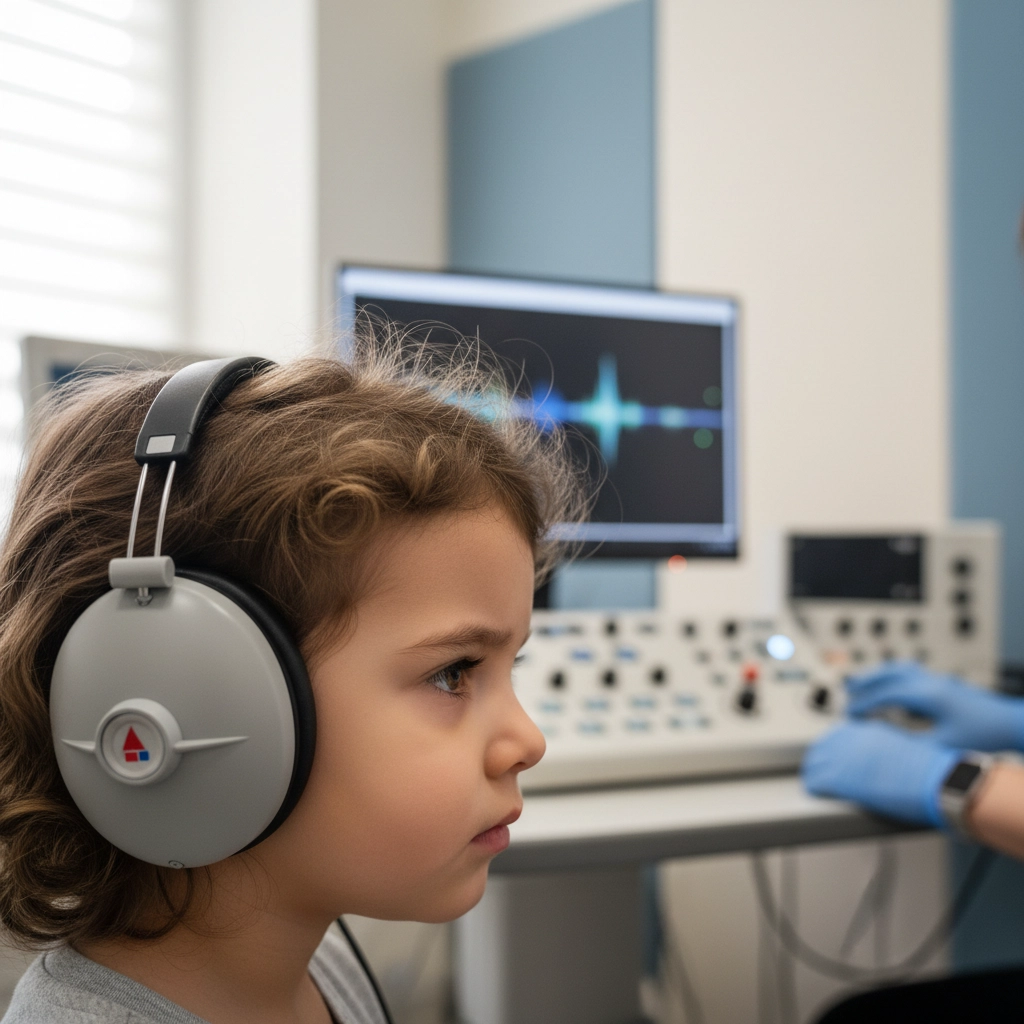
Some experienced clinicians report successful evaluation of children as young as five years old, though interpretation requires careful consideration of developmental factors and should involve cautious professional judgment.
The Comprehensive Testing Process
When formal CAPD testing is deemed appropriate, the diagnostic process involves several distinct components designed to evaluate different aspects of auditory processing function.
Initial Consultation and Background Review
The evaluation begins with a thorough consultation where an audiologist interviews parents and reviews existing evaluations from speech-language pathologists, neuropsychologists, or educational professionals. This background information helps establish the child's language competencies, vocabulary strengths and weaknesses, and overall developmental profile.
Comprehensive Audiological Evaluation
A complete audiological assessment rules out peripheral hearing loss, which requires different intervention approaches than CAPD. This in-person appointment typically lasts approximately one hour and includes pure-tone audiometry, speech audiometry, and tympanometry to ensure the outer, middle, and inner ear structures function normally.
Behavioral CAPD Testing Battery
The core diagnostic component involves a comprehensive behavioral testing battery lasting approximately 90 minutes. During this assessment, children listen through headphones to various speech materials, tones, or numbers and repeat what they hear. Performance is compared to age-matched normative data to identify specific processing deficits.
Tests may include filtered speech (speech with certain frequencies removed), competing sentences (different messages presented simultaneously to each ear), temporal pattern sequences (patterns of tones varying in frequency or duration), and binaural fusion tasks (combining incomplete information from both ears).
Electrophysiologic Testing
When recommended, electrophysiologic testing uses surface electrodes placed on the scalp to assess brain auditory pathway function. Tests such as auditory brainstem response (ABR) or cortical auditory evoked potential testing provide objective measures of neural activity while the child sits quietly listening to calibrated stimuli.
When Testing May Not Be Necessary
Before pursuing CAPD testing, families should understand that signs of auditory processing difficulties can overlap significantly with other developmental conditions.
Differential Diagnosis Considerations
Language disorders, learning disabilities, and attention problems can all manifest with symptoms that appear similar to CAPD. A comprehensive evaluation by a speech-language pathologist or psychoeducational professional should typically occur first to identify or rule out these alternative explanations.
Children with attention, cognition, or language disabilities show higher likelihood of coexisting CAPD or auditory processing differences, making differential diagnosis particularly important for treatment planning.
Professional Evaluation Sequence
The most effective approach involves systematic evaluation beginning with comprehensive speech and language assessment, followed by psychoeducational testing if learning difficulties are suspected, and finally CAPD testing if concerns persist after addressing other potential causes.
The Diagnostic Authority
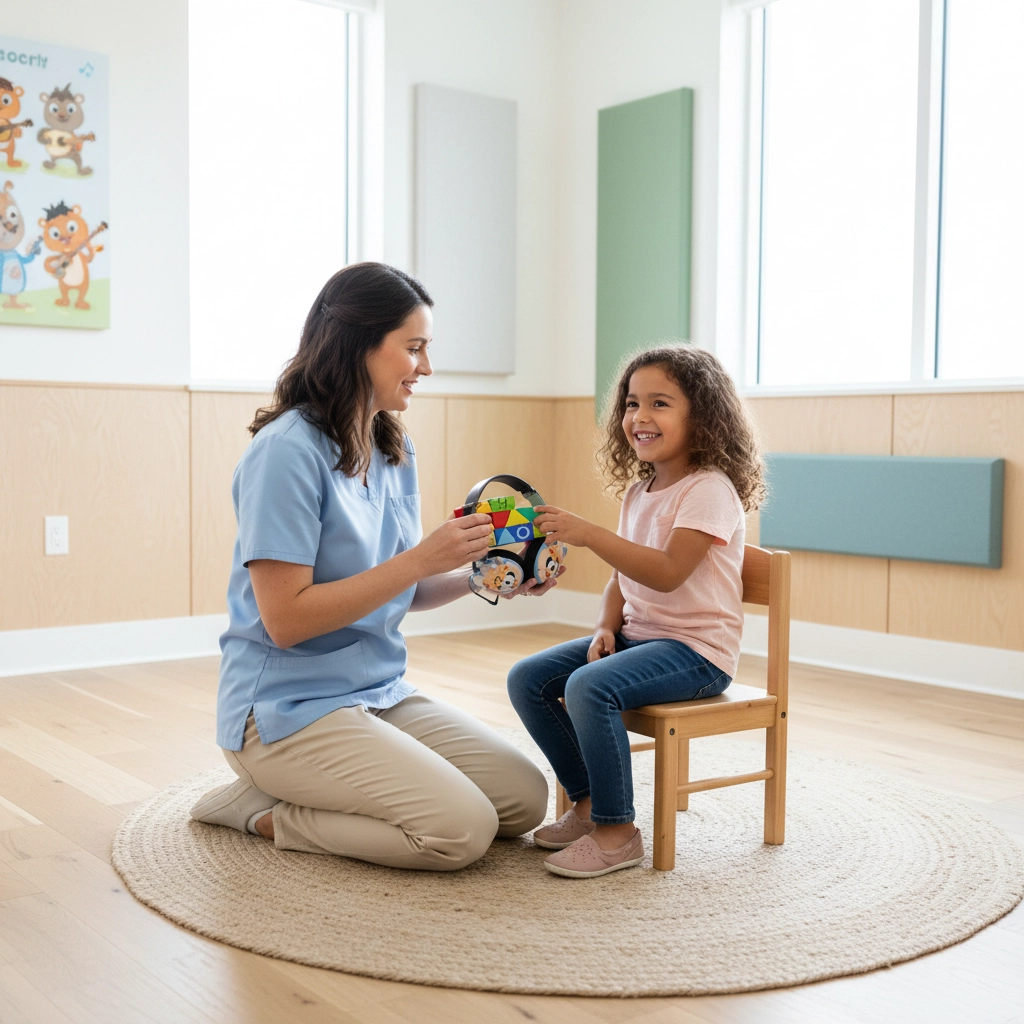
Only licensed audiologists can diagnose CAPD: not teachers, parents, or other professionals, though these individuals may certainly recognize concerning behaviors that warrant referral. This specialized training ensures proper test administration, interpretation, and differential diagnosis from other conditions with similar presentations.
Making the Decision
CAPD testing proves most beneficial when there's a clear pattern of specific auditory processing difficulties that don't fully explain other developmental or learning concerns, when the child is at least seven years old (or 5-6 with cautious interpretation), and when professional recommendations support the evaluation's potential value.
The decision should consider the child's specific symptoms, their impact on daily functioning, previous evaluation results, and the family's readiness to pursue recommended interventions. Understanding that CAPD testing represents one component of a comprehensive approach to addressing learning and communication challenges helps families make informed decisions about their child's care.
For families considering CAPD evaluation, consulting with experienced audiologists who specialize in pediatric auditory processing disorders provides the most reliable guidance for determining whether testing would be beneficial for their specific situation.
Tags: CAPD testing, central auditory processing disorder, pediatric audiology, auditory processing evaluation, childhood hearing disorders, learning disabilities, auditory testing, speech and language development, educational audiology, hearing assessment
Contact us at 201-645-5440
