
Why Your Blood Pressure Matters for Your Hearing: The Heart-Health Connection You Need to Know
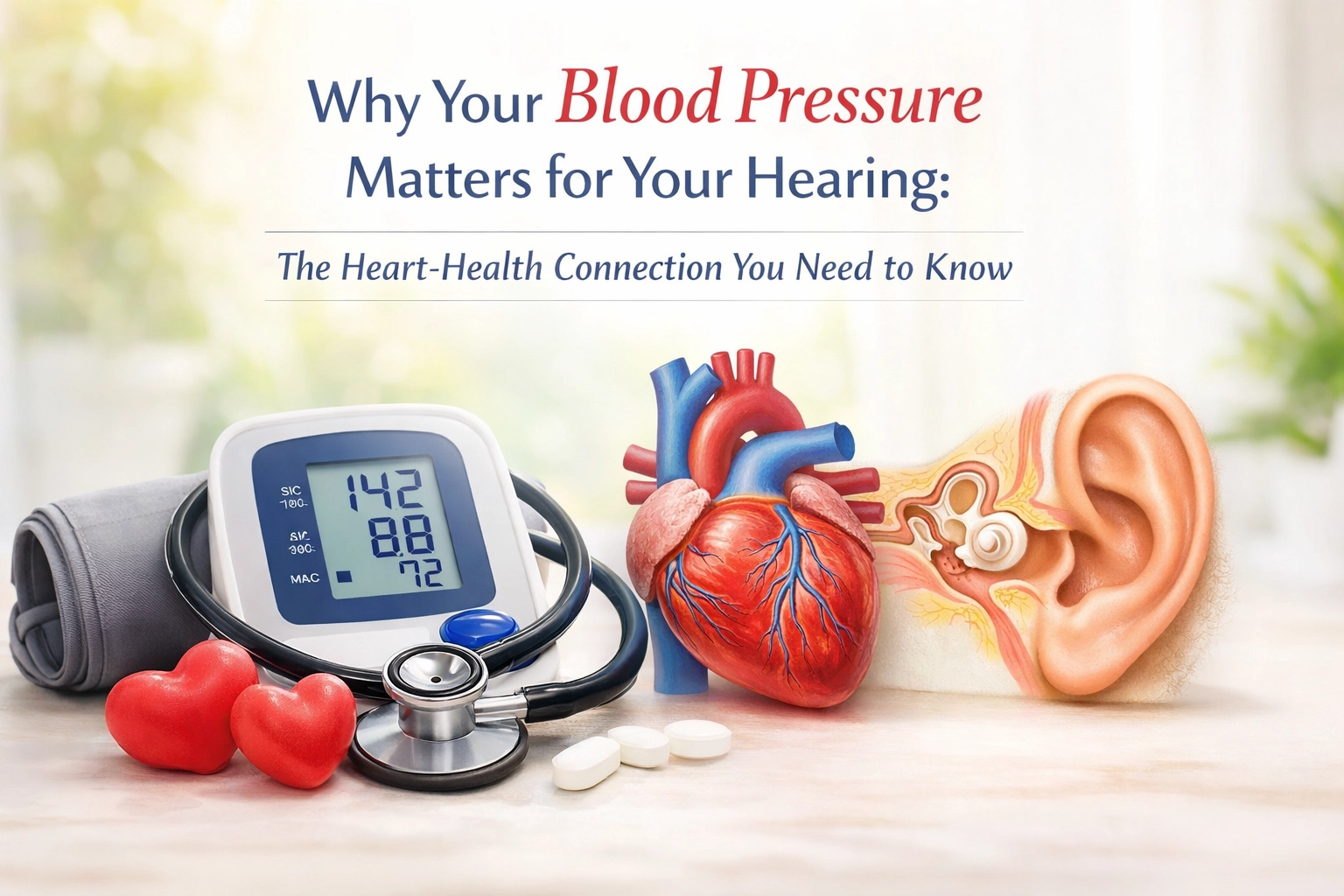
February serves as American Heart Month, a time dedicated to raising awareness about cardiovascular health and the prevention of heart disease. While most people associate heart health with physical stamina or stroke prevention, there is a profound connection between the cardiovascular system and the auditory system. Specifically, Hypertension, or high blood pressure, is a significant risk factor for permanent hearing loss.
Understanding how the heart and ears work together is essential for long-term wellness. Because the inner ear is extremely sensitive to blood flow, it often acts as a "canary in the coal mine" for cardiovascular issues. When blood pressure remains consistently high, it can cause irreparable damage to the delicate structures responsible for sound processing.
What is Hypertension?
Hypertension is a medical condition characterized by the long-term force of the blood against artery walls being high enough that it may eventually cause health problems. It is often referred to as a "silent killer" because many individuals do not experience obvious symptoms until significant damage has occurred to the heart, kidneys, or brain.
The blood vessels are designed to be elastic and resilient, but sustained high pressure causes them to become stiff and narrow. This process, known as Arteriosclerosis, restricts the delivery of oxygen and nutrients to vital organs. The auditory system, despite its small size, is one of the most metabolically active systems in the human body and is particularly vulnerable to these vascular changes.

The Biological Link: How Blood Pressure Affects the Ear
The human ear is a biological marvel that relies on a constant, steady supply of oxygenated blood. To understand why high blood pressure is a threat, one must look at the anatomy of the Inner Ear, specifically the Cochlea.
The Fragility of the Cochlea
The cochlea is a snail-shaped structure filled with fluid and lined with thousands of microscopic sensory cells known as Stereocilia, or hair cells. These cells are responsible for converting sound vibrations into electrical signals that the brain can interpret as speech, music, or noise. Unlike skin or bone cells, stereocilia do not regenerate. Once they are damaged or destroyed, the resulting hearing loss is permanent.
Vascular Damage and Reduced Blood Flow
High blood pressure damages the tiny, intricate network of capillaries that feed the cochlea. When these vessels become compromised, the ear experiences Tissue Hypoxia, a state where the auditory tissues are starved of oxygen. Furthermore, hypertension can increase blood viscosity (thickness), making it harder for blood to flow through the microscopic vessels of the ear. This lack of nourishment leads to the death of the hair cells and a decline in hearing sensitivity.
The Lack of Collateral Circulation
A unique challenge for the auditory system is that it lacks "collateral circulation." In many other parts of the body, if one blood vessel is blocked, the body can redirect blood through alternative paths. The inner ear typically has only one main artery supplying it. If high blood pressure causes damage or a blockage in this specific pathway, there is no backup system to provide oxygen, leading to rapid and often irreversible hearing damage.
Common Symptoms and Warning Signs
Hearing loss related to high blood pressure often develops gradually. Because it is painless, the individual may not realize their heart health is affecting their ears until the impairment becomes noticeable in daily conversation.
- Difficulty understanding speech in noise: One of the first signs of vascular-related hearing loss is the inability to distinguish voices in crowded environments, such as restaurants.
- Muffled sounds: The person may feel as though others are mumbling or that sounds lack clarity.
- Tinnitus: A persistent ringing, buzzing, or hissing sound in the ears is frequently linked to hypertension.
- Aural Fullness: A sensation of pressure or "clogged" ears that does not go away with swallowing or yawning.
- Dizziness or Vertigo: Because the inner ear also houses the vestibular system (balance), restricted blood flow can lead to spatial disorientation.
If these symptoms occur, it is recommended to visit a hearing specialist for a comprehensive evaluation. Information regarding specialized diagnostic services can be found at Northeast Occupational Audiology Associates Services.
Tinnitus: The Sound of High Blood Pressure
Tinnitus is a condition where an individual perceives sound when no external source is present. While there are many causes for this "ringing in the ears," hypertension is a primary culprit. When blood pressure is high, the force of the blood moving through the carotid arteries and jugular veins (which are located very close to the ear) can create a rhythmic sound.
This specific type is known as Pulsatile Tinnitus. The individual may hear a "whooshing" or thumping sound that syncs perfectly with their heartbeat. This is often a direct result of turbulent blood flow caused by narrowed or stiffened arteries. Managing blood pressure levels often helps reduce the intensity of these sounds. For those struggling with persistent noise, exploring tinnitus treatment options is a vital next step.

Research Insights: The Heart-Hearing Connection
Scientific research has consistently shown a strong correlation between cardiovascular health and auditory function. A notable study compared 300 patients with hypertension to 300 patients with normal blood pressure. The findings revealed that:
- Individuals with high blood pressure were significantly more likely to have sensorineural hearing loss.
- The severity of the hearing loss often correlated with the duration and severity of the hypertension.
- Hypertension acts as an "accelerant" for age-related hearing loss (Presbycusis), causing the ears to age faster than the rest of the body.
The consensus among the medical community is that a healthy heart is a prerequisite for healthy hearing. This makes regular blood pressure monitoring a key component of hearing conservation.
Protecting Your Hearing Through Heart Health
The good news is that managing blood pressure can help protect the remaining hearing and prevent further deterioration. Following the American Heart Association’s "Life’s Essential 8" can provide a roadmap for both heart and ear health:
- Eat Better: Focus on the DASH (Dietary Approaches to Stop Hypertension) diet, which emphasizes fruits, vegetables, and lean proteins while reducing sodium. Low sodium intake is particularly helpful for reducing fluid pressure in the inner ear.
- Be More Active: Regular cardiovascular exercise improves circulation throughout the entire body, including the tiny vessels of the ear.
- Quit Tobacco: Smoking and vaping constrict blood vessels and reduce oxygen levels in the blood, doubling the damage to the auditory system.
- Manage Weight: Reducing excess weight takes the strain off the heart and blood vessels.
- Control Cholesterol: High cholesterol can lead to the buildup of plaque in the arteries that supply the ear.
- Manage Blood Sugar: Diabetes and hypertension often go hand-in-hand, both of which are detrimental to hearing.
- Get Healthy Sleep: Sleep is when the body repairs its vascular system.
- Monitor Blood Pressure: Knowing the numbers is the first step toward management.

The Role of the Audiologist in Heart Health
Audiologists and hearing specialists are often the first healthcare providers to identify potential cardiovascular issues. Because the ear is so sensitive to changes in blood flow, a hearing test can sometimes reveal underlying heart problems before a person even visits a cardiologist.
At Northeast Occupational Audiology Associates, the focus is on a holistic approach to hearing health. Understanding the person’s medical history, including blood pressure and heart health, allows for a more accurate diagnosis and a more effective treatment plan. Whether the individual needs a baseline hearing screening or specialized custom earmolds to prevent noise-induced damage, the team is dedicated to preserving the person’s quality of life.
Maintaining a relationship with a hearing specialist ensures that any changes in hearing are caught early. For those who work in noisy environments, this is even more critical, as the combination of high blood pressure and occupational noise exposure can accelerate hearing loss at an alarming rate. More information about occupational hearing conservation can be found on our about us page.
Taking the Next Steps
While hearing loss caused by hypertension-related hair cell damage is typically permanent, it is highly manageable. Modern hearing technology, such as hearing aids and assistive listening devices, can help restore communication and improve the individual’s social and emotional well-being.
During American Heart Month, the best gift an individual can give themselves is a check-up. This includes checking blood pressure and scheduling a hearing evaluation. Protecting the heart means protecting the ears, ensuring that the person can enjoy the sounds of life for years to come.

If there are concerns about the link between heart health and hearing, or if persistent ringing in the ears has become a distraction, professional help is available. Our specialists are here to provide guidance and advanced audiological care.
For more information, please visit our FAQs or contact us to schedule an appointment.
High blood pressure, Hypertension, Tinnitus, American Heart Month, Heart Health, Hearing Loss Prevention, Northeast Occupational Audiology Associates, Sensorineural Hearing Loss, Vascular Health, Auditory System.
Contact us at 201-645-5440
