
American Heart Month Reminder: How Healthy Blood Flow Protects Your Hearing (And What to Do About It)
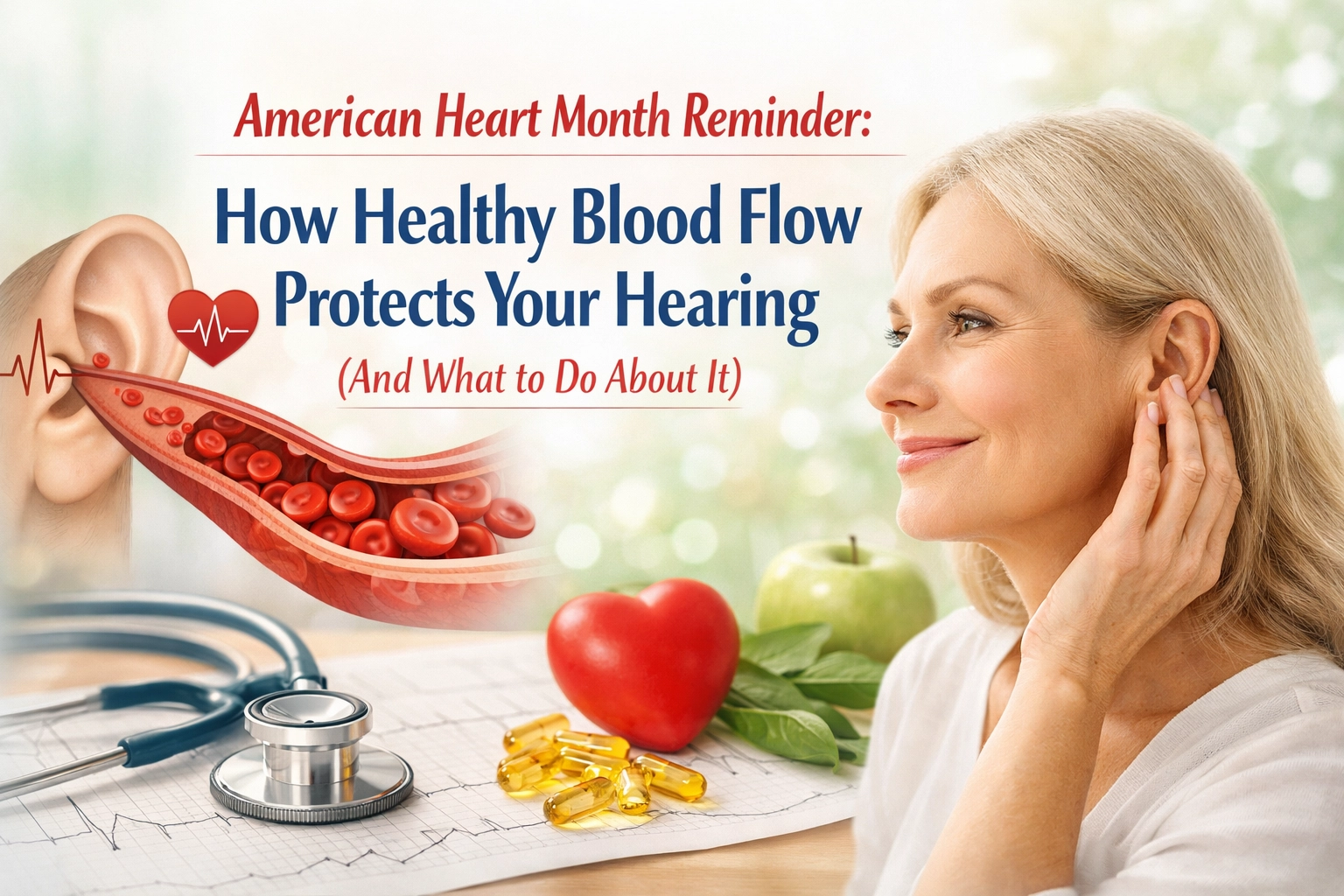
February serves as American Heart Month, a period dedicated to raising awareness about cardiovascular health and the prevention of heart disease. While most discussions during this month focus on cholesterol, blood pressure, and stroke risk, a critical connection is often overlooked: the relationship between the heart and the ears. Cardiovascular health and hearing sensitivity are deeply intertwined because both systems rely on a robust, efficient circulatory system to function properly.
The human auditory system is incredibly sensitive to changes in blood flow. Because the inner ear is so vascularized, many medical professionals consider it a "window" into the cardiovascular system. In many cases, changes in hearing or the onset of Tinnitus (ringing in the ears) can be early indicators of underlying cardiovascular issues that have not yet manifested elsewhere in the body.
The Vital Link: Blood Flow and the Cochlea
To understand why heart health matters for hearing, one must first understand the anatomy of the inner ear. The Cochlea is the snail-shaped, fluid-filled structure responsible for converting sound vibrations into electrical signals that the brain can interpret. This complex process requires a significant amount of metabolic energy, which is supplied entirely by a constant stream of oxygen-rich blood.
The Role of the Stria Vascularis
The Stria Vascularis is a highly specialized capillary network within the cochlea. It acts as a "power plant" for the ear, maintaining the chemical balance and electrical potential of the endolymph (the fluid inside the cochlea). Because these blood vessels are among the smallest and most delicate in the entire human body, they are often the first to be damaged when circulation is compromised.
Sensitivity to Ischemia
Ischemia is a medical condition characterized by an inadequate blood supply to a specific organ or part of the body. Because the cochlea has no "backup" blood supply: unlike many other organs that have collateral circulation: even a brief interruption in blood flow can cause permanent damage to the delicate hair cells. Once these hair cells are damaged or destroyed due to a lack of oxygen, they do not regenerate, resulting in permanent Sensorineural Hearing Loss.

Cardiovascular Conditions That Impact Auditory Health
Several common cardiovascular conditions can directly lead to hearing impairment. When the heart struggles to pump blood effectively or when the arteries become narrowed, the ears are often the first to suffer the consequences.
Hypertension (High Blood Pressure)
Hypertension occurs when the force of the blood against the artery walls is too high. This constant pressure can damage the lining of the small blood vessels in the ear, leading to hemorrhaging or a gradual decline in the quality of blood reaching the cochlea. Individuals with chronic high blood pressure are at a significantly higher risk for developing sudden or progressive hearing loss.
Arteriosclerosis and Atherosclerosis
Arteriosclerosis refers to the thickening and hardening of the walls of the arteries, while Atherosclerosis specifically refers to the buildup of fats, cholesterol, and other substances (plaque) in and on the artery walls. This buildup restricts blood flow. Since the arteries supplying the ear are so narrow, even a small amount of plaque can create a significant blockage, starving the auditory nerves of the nutrients they need.
Peripheral Artery Disease (PAD)
Peripheral Artery Disease is a common circulatory problem in which narrowed arteries reduce blood flow to the limbs and extremities. Research suggests that if blood flow is restricted to the legs or arms, it is highly likely that the blood flow to the head and ears is also suboptimal.
Hearing Loss as an Early Warning System
One of the most compelling reasons to monitor hearing health during American Heart Month is that the ear may act as a "canary in the coal mine." Because the inner ear is so sensitive to blood flow, hearing specialists often identify cardiovascular problems before a primary care physician or cardiologist does.
Studies have shown that a healthy cardiovascular system correlates with better hearing sensitivity, particularly in older adults. Conversely, those with a history of heart disease are 54% more likely to have hearing impairment. When an individual experiences sudden hearing loss, it is often treated as a medical emergency because it could indicate a vascular event similar to a "stroke of the ear."

Actionable Tips for Improving Circulation and Protecting Hearing
Protecting hearing health is not just about wearing earplugs in loud environments; it is also about maintaining a lifestyle that supports vascular integrity. By improving circulation, an individual can protect the delicate structures of the cochlea and potentially prevent the onset of age-related hearing loss.
Prioritize Regular Aerobic Exercise
Physical activity is one of the most effective ways to boost circulation. Aerobic exercises, such as walking, cycling, or swimming, increase the heart rate and improve the efficiency of the cardiovascular system.
- Target: Aim for 20-30 minutes of moderate activity at least five days a week.
- Benefit: Increased blood flow helps clear toxins and delivers fresh oxygen to the auditory system.
Adopt a Heart-Healthy Nutrition Plan
Diet plays a massive role in vascular health. Foods that reduce inflammation and lower cholesterol will naturally benefit the ears.
- Omega-3 Fatty Acids: Found in salmon, walnuts, and flaxseeds, these fats are known to improve blood flow and reduce the risk of hearing loss.
- Potassium: Found in bananas, spinach, and potatoes, potassium helps regulate the fluid in the inner ear.
- Magnesium: Found in dark chocolate and almonds, magnesium acts as a protective barrier for the hair cells in the cochlea against noise-induced damage.
Smoking Cessation
Smoking is double-jeopardy for hearing. Nicotine and carbon monoxide deplete oxygen levels and constrict blood vessels throughout the body, including those in the ears. Furthermore, smoking irritates the lining of the middle ear and interferes with the way the brain processes sound. Quitting smoking is one of the single most important steps an individual can take to protect both their heart and their hearing.
Stress Management
Chronic stress leads to the release of adrenaline and cortisol, which can constrict blood vessels. For many individuals, high stress levels exacerbate symptoms of Tinnitus. Techniques such as deep breathing, meditation, and ensuring adequate sleep help maintain a stable circulatory environment.

The Role of Professional Audiological Care
While lifestyle changes are vital, professional intervention is necessary to monitor the status of the auditory system. Northeast Occupational Audiology Associates provides comprehensive diagnostic services to evaluate hearing health and its potential links to systemic issues.
Baseline Hearing Evaluations
A baseline hearing test is essential for any adult, especially those with known cardiovascular risk factors. By establishing a baseline, your hearing specialist can monitor changes over time and identify patterns that may suggest a need for further medical consultation. If you are interested in learning more about these screenings, you can visit the Services page.
Tinnitus Management
For those already experiencing ringing in the ears due to vascular issues, specialized Tinnitus Treatment Options are available. Management often involves a combination of sound therapy, lifestyle counseling, and coordination with other medical professionals to address the root cause of the vascular strain.
Occupational Protection
For individuals working in high-noise environments, the heart-hearing connection is even more critical. Noise-induced stress can raise blood pressure, creating a feedback loop of damage. Utilizing Custom Earmolds can mitigate the external stressors that tax the auditory and cardiovascular systems.

Taking the Next Step This February
As American Heart Month continues, take a moment to consider the health of your ears alongside the health of your heart. Monitoring blood pressure, cholesterol, and blood sugar levels are all steps toward preserving the gift of sound. If there is a history of heart disease in the family, or if symptoms like muffled hearing or persistent ringing have begun, seeking a professional evaluation is the most proactive course of action.
Understanding the connection between blood flow and the cochlea empowers individuals to make informed decisions about their well-being. By fostering a heart-healthy lifestyle, the individual is not just adding years to their life, but also ensuring those years are filled with the sounds of the world around them.
For more information on how to protect your hearing or to learn more about the team dedicated to your auditory health, visit the About Us page or read our FAQs.
Contact us at 201-645-5440
American Heart Month, Hearing Loss, Cardiovascular Health, Cochlea, Blood Flow, Tinnitus, Hypertension, Northeast Occupational Audiology Associates, Hearing Prevention, Heart Health, Audiology, Vascular Health.
