
Is Your Heart Putting Your Hearing at Risk? 7 Warning Signs You Shouldn’t Ignore
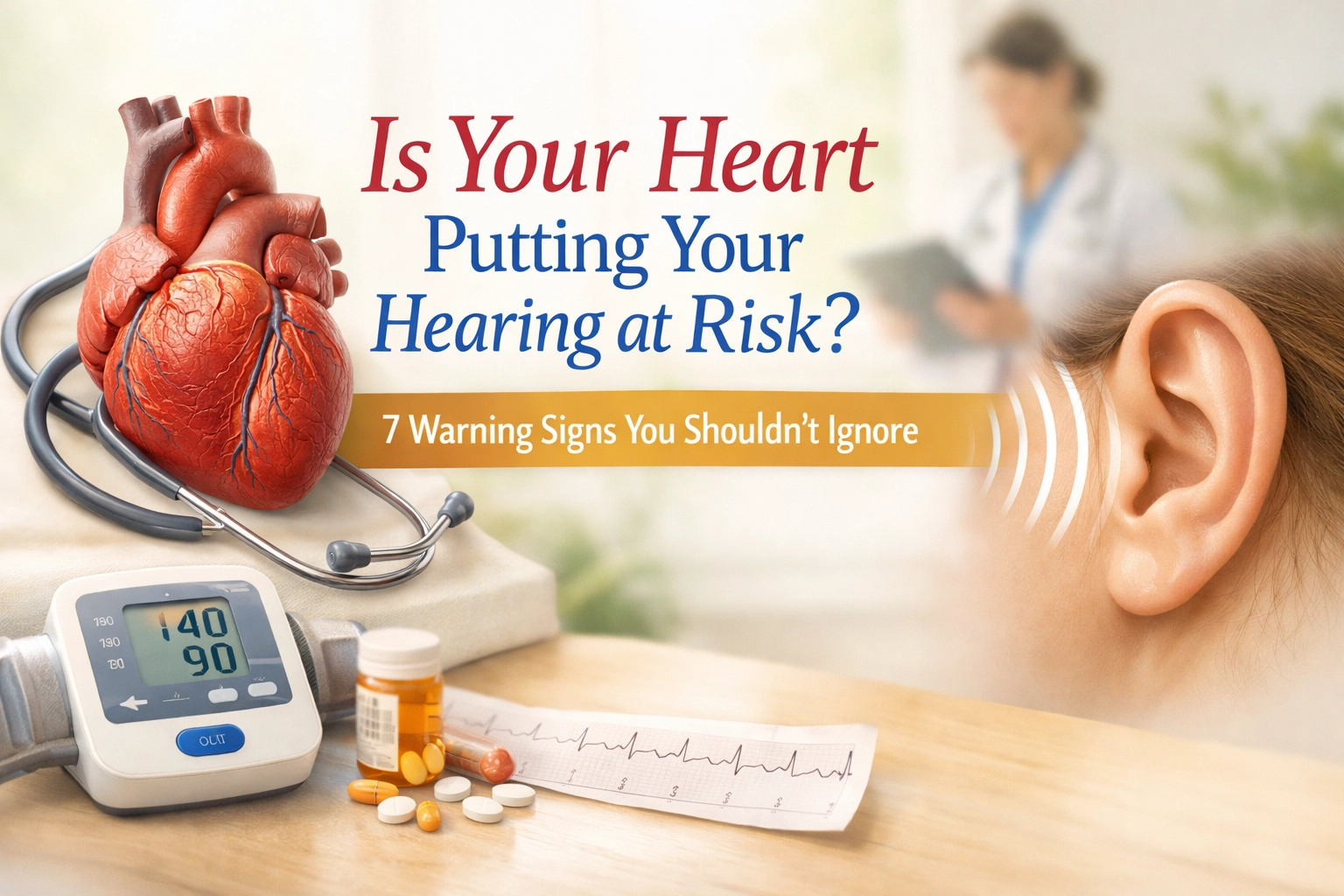
The human body is an interconnected network where the health of one system often mirrors the health of another. While the ears and the heart may seem worlds apart in terms of function, medical research has established a profound link between cardiovascular health and auditory function. At Northeast Occupational Audiology Associates, the goal is to help individuals recognize that hearing health is often a "window" into the health of the heart.
The inner ear is extremely sensitive to blood flow. Because the structures of the inner ear, specifically the cochlea, are so small and rely on a single supply of oxygenated blood, they are often the first part of the body to show signs of cardiovascular distress. When blood vessels are damaged or blood flow is restricted, the auditory system is frequently the first to suffer.
The Biological Connection: Blood Flow and the Inner Ear
To understand why the heart affects hearing, one must first look at the anatomy of the ear. The inner ear contains thousands of tiny hair cells that are responsible for converting sound waves into electrical signals for the brain to interpret. These hair cells require a constant, robust supply of oxygen and nutrients delivered through the bloodstream.
Unlike other organs that may have multiple sources of blood, the inner ear is supplied by the labyrinthine artery, a very narrow vessel with no "backup" supply. If atherosclerosis (the hardening of the arteries) or hypertension (high blood pressure) affects the body, these tiny vessels are often the first to become compromised. When blood flow is restricted, these hair cells can become damaged or die, leading to irreversible hearing loss.

7 Warning Signs You Shouldn't Ignore
If an individual notices changes in their hearing, it may be more than just a sign of aging; it could be an early indicator of an underlying cardiovascular issue. Here are seven warning signs where heart health and hearing intersect.
1. Pulsatile Tinnitus (Hearing Your Heartbeat)
While regular tinnitus is often described as a ringing or buzzing, pulsatile tinnitus is a rhythmic sound that beats in time with the person’s pulse. The individual may hear a "whooshing" or "thumping" sound in one or both ears. This is a significant red flag because it often indicates a change in blood flow in the vessels near the ear. It can be caused by high blood pressure, narrowed arteries, or other vascular malformations.
2. Sudden Sensorineural Hearing Loss (SSHL)
Sudden Sensorineural Hearing Loss is a rapid loss of hearing that happens all at once or over a period of a few days. While there are many causes, research suggests that a vascular event, similar to a "stroke" of the inner ear, may be responsible in many cases. If the blood supply to the cochlea is suddenly blocked by a clot or a burst vessel, hearing can disappear instantly. This is considered a medical emergency.
3. Muffled Speech and Lack of Clarity
When blood flow is chronically low due to coronary artery disease, the hair cells in the cochlea begin to wither. The first sign is often not a total loss of sound, but a loss of clarity. The individual may feel as though people are "mumbling" or that they can hear that someone is talking but cannot distinguish the specific words. This "muffled" sensation occurs because the high-frequency hair cells, which are the most sensitive to blood flow, are usually the first to be damaged.
4. Frequent Dizziness or Vertigo
The inner ear is not only responsible for hearing but also for balance through the vestibular system. Just like the cochlea, the vestibular organs require healthy blood circulation. If an individual experiences frequent bouts of dizziness, lightheadedness, or a spinning sensation (vertigo), it may indicate that the heart is struggling to pump blood effectively to the head or that the blood vessels are narrowing.
5. Difficulty Hearing in Noisy Environments
One of the earliest signs of hearing degradation linked to cardiovascular health is the inability to filter out background noise. This requires high-level processing from both the ears and the brain. If the vascular system is not delivering enough oxygen to the auditory nerve and the brain's primary auditory cortex, the "effort" of listening becomes exhausting, and speech understanding in restaurants or crowds plummets.
6. A Feeling of Fullness in the Ears
Sometimes referred to as "aural fullness," this sensation makes the individual feel as though their ears are "plugged" or underwater, similar to the feeling when a plane changes altitude. While this can be caused by wax or allergies, chronic fullness can also be a sign of poor circulation or fluid regulation issues within the inner ear, which are often tied to systemic blood pressure issues.
7. Fluctuating Hearing Ability
If a person notices that their hearing seems better on some days and worse on others, it could be related to fluctuations in blood pressure. High blood pressure can increase the pressure of the fluids within the inner ear, leading to temporary changes in hearing sensitivity. Monitoring these fluctuations is essential for both cardiovascular and tinnitus treatment options.
Cardiovascular Risk Factors and Their Impact
Several specific heart-related conditions are directly linked to an increased risk of hearing impairment. Recognizing these conditions early can help in managing both heart and ear health.
Hypertension (High Blood Pressure)
Hypertension can damage the walls of the blood vessels throughout the body. In the ear, this damage results in hemorrhaging or reduced blood flow, which can cause permanent damage to the auditory system. Studies have shown that patients with high blood pressure have a significantly higher rate of hearing loss than those with normal pressure.
Atherosclerosis
This condition involves the buildup of fats, cholesterol, and other substances in and on the artery walls. As these plaques narrow the arteries, the blood supply to the ears is diminished. Because the ear's blood vessels are so small, even a minor buildup can have a disproportionate impact on hearing.
Diabetes
While often categorized as a metabolic disorder, diabetes has a major cardiovascular component. High blood sugar levels can damage the small blood vessels in the inner ear. Individuals with diabetes are twice as likely to have hearing loss as those without the condition.

The Importance of a Professional Evaluation
When an individual experiences any of the symptoms mentioned above, the first step is a comprehensive diagnostic evaluation. A hearing specialist or audiologist can perform tests that measure exactly how the auditory system is functioning. At Northeast Occupational Audiology Associates, the team uses advanced technology to determine the type and severity of hearing loss.
If the results suggest a vascular connection, the audiologist may recommend that the individual also consult with a primary care physician or cardiologist. This collaborative approach ensures that the "warning sign" provided by the ears leads to a life-saving intervention for the heart.
Diagnostic Procedures
- Pure-Tone Audiometry: Measures the quietest sounds a person can hear at different frequencies.
- Speech Recognition Testing: Evaluates the ability to understand words in quiet and noisy settings.
- Tympanometry: Checks the health of the middle ear and eardrum.
- Otoacoustic Emissions (OAEs): Specifically tests the function of the outer hair cells in the cochlea, which are sensitive to blood flow.
For those in specialized fields, such as professional musicians, protecting the ears is even more critical. Options like musicians' plugs and custom earmolds can prevent additional noise-induced damage that might compound vascular-related loss.
Proactive Steps for Heart and Hearing Health
The good news is that many of the lifestyle changes that protect the heart also protect the ears. Maintaining a healthy cardiovascular system is one of the most effective ways to preserve hearing for a lifetime.
- Regular Exercise: Physical activity improves circulation and strengthens the heart’s ability to pump blood to the extremities, including the ears.
- Healthy Diet: Reducing salt intake helps manage blood pressure, while antioxidants found in fruits and vegetables protect the delicate cells of the inner ear.
- Smoking Cessation: Smoking constricts blood vessels and depletes oxygen levels in the blood, which is a "double hit" to auditory health.
- Regular Screenings: Just as one would check their blood pressure annually, regular hearing checkups should be part of a standard health routine, especially after age 50.

Moving Forward with Northeast Occupational Audiology Associates
Understanding the link between the heart and the ears empowers individuals to take charge of their health. Hearing loss doesn't always happen in a vacuum; it is often a signal that the body needs attention elsewhere. By addressing these warning signs early, patients can improve their quality of life and potentially identify cardiovascular issues before they become severe.
If you or a loved one are experiencing any of these seven warning signs, it is time to seek professional advice. Our team is dedicated to providing thorough evaluations and personalized care plans. To learn more about our team and how we can help, please visit our About Us or Meet Our Team pages. Whether you are looking for information on CAOHC courses or specific services, we are here to support your journey toward better hearing and overall wellness.
audiology, heart health, hearing loss, cardiovascular disease, tinnitus, pulsatile tinnitus, hypertension, ear health, hearing specialist, Northeast Occupational Audiology Associates
Contact us at 201-645-5440
