
How Much Noise Is Safe? Understanding Safe Sound Levels for Healthy Hearing

Ever wonder if that lawnmower, concert, or your favorite playlist might be damaging your hearing? You're not alone. With noise everywhere in our daily lives: from city traffic to workplace equipment to our beloved headphones: understanding safe sound levels has never been more important.
The short answer? Sounds at 70 dB or below are generally safe for long-term exposure, while anything above 85 dB starts getting into potentially harmful territory. But there's much more to the story, and understanding the details can help you protect your hearing for life.
Understanding the Decibel Scale
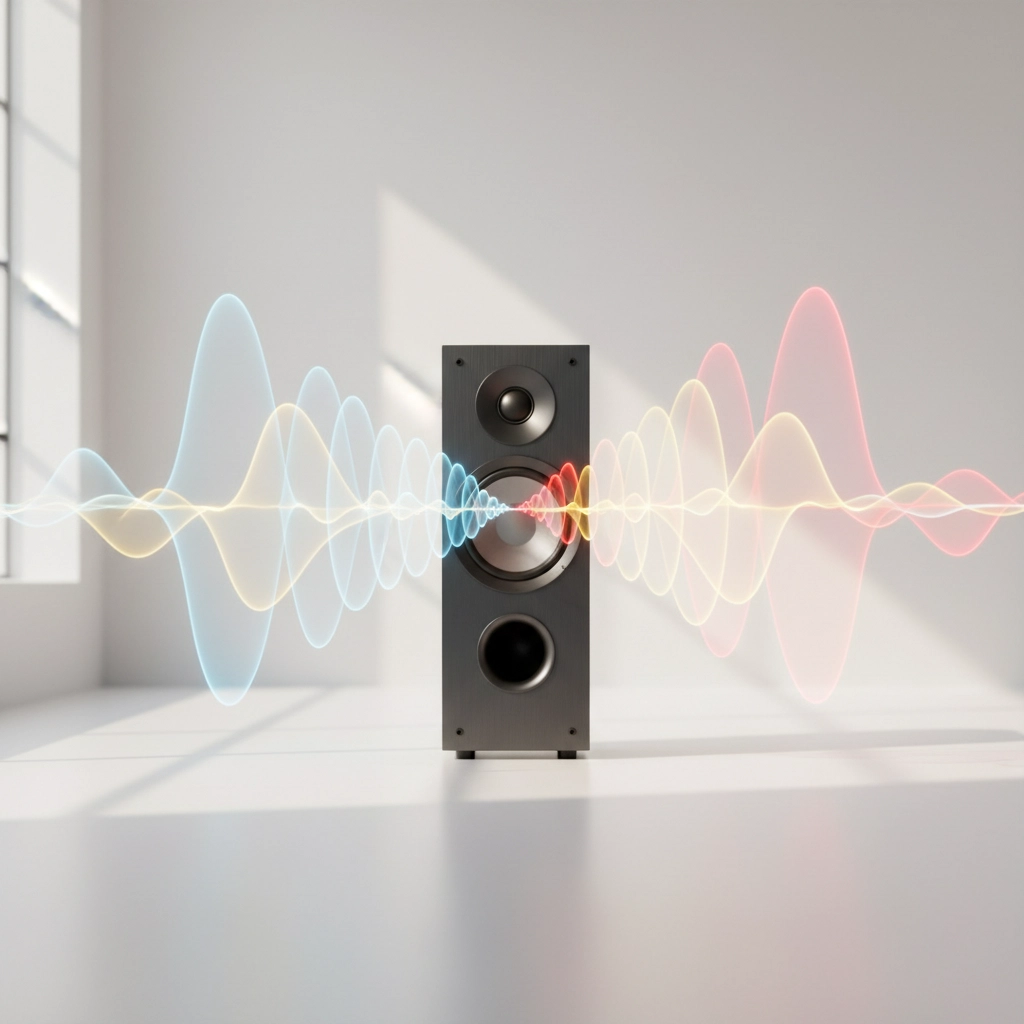
The decibel (dB) scale measures sound intensity, but here's the tricky part: it's not a straight line. The scale is logarithmic, which means a 20 dB sound is actually 10 times more intense than a 10 dB sound, even though your ears might only perceive it as twice as loud.
Think of it like this: every 10 dB increase represents a tenfold increase in sound intensity. That's why even small jumps in decibel levels can make a big difference in terms of potential hearing damage.
What Do Different Sound Levels Actually Sound Like?
To help you understand what we're talking about, here are some everyday examples of common noise levels:
Quiet Sounds (0-60 dB)
- 10 dB: Normal breathing
- 30 dB: Soft whisper
- 40 dB: Library or quiet office
- 50 dB: Moderate rainfall
- 60 dB: Normal conversation
Moderate Sounds (60-85 dB)
- 70 dB: Dishwasher or vacuum cleaner
- 75 dB: City traffic from your car
- 80 dB: Garbage disposal or food blender
- 85 dB: Heavy city traffic or school cafeteria
Loud Sounds (85+ dB)
- 90 dB: Lawn mower or motorcycle
- 100 dB: Nightclub or personal music device at high volume
- 110 dB: Live rock concert or sporting event
- 120 dB: Thunder or car horn
- 140 dB: Gunshot or jet engine
The Safe Listening Guidelines You Need to Know
Here's where it gets interesting: it's not just about volume, it's also about time. Your ears can handle louder sounds for shorter periods, but the safe exposure time drops dramatically as volume increases.
The 85 dB Rule
85 dB is considered the workplace safety standard: you can be exposed to this level for up to 8 hours per day without significant risk of hearing damage. Think of this as heavy traffic noise or a busy restaurant during peak hours.
The 70 dB Recommendation
Many hearing health experts actually recommend keeping your average daily exposure to 70 dB or below. This is more protective than the workplace standard and accounts for the fact that we're exposed to noise throughout our entire day, not just at work.
The 3 dB Rule
For every 3 dB increase above 85 dB, the safe listening time gets cut in half. So:
- 85 dB: 8 hours
- 88 dB: 4 hours
- 91 dB: 2 hours
- 94 dB: 1 hour
- 97 dB: 30 minutes
- 100 dB: 15 minutes

Real-World Scenarios: Where You Encounter Harmful Noise
At Work
Many workplaces expose employees to potentially harmful noise levels. Construction sites, factories, airports, and even busy restaurants can exceed safe limits. If you have to raise your voice to be heard by someone three feet away, you're probably in an environment above 85 dB.
Entertainment and Recreation
Concerts, sporting events, and nightclubs regularly exceed 100 dB. Even movie theaters can hit harmful levels during action sequences. That awesome guitar solo or explosive sound effect might be damaging your hearing.
Your Daily Commute
Subway systems, busy highways, and even some cars with the windows down can expose you to 80-90 dB for extended periods. Add in podcast or music listening through headphones, and you're layering noise exposure throughout your day.
Home and Personal Devices
Your headphones or earbuds can easily reach 100+ dB at maximum volume. Hair dryers, blenders, power tools, and lawn equipment all commonly exceed 85 dB. Even something as innocent as a crying baby can hit 100 dB at close range.
Protecting Your Hearing: Practical Strategies
The 60/60 Rule for Personal Audio
When using headphones or earbuds, follow the 60/60 rule: listen at no more than 60% of maximum volume for no more than 60 minutes at a time. Many smartphones now include hearing health features that can monitor and limit your audio exposure.
Use Protection in Loud Environments
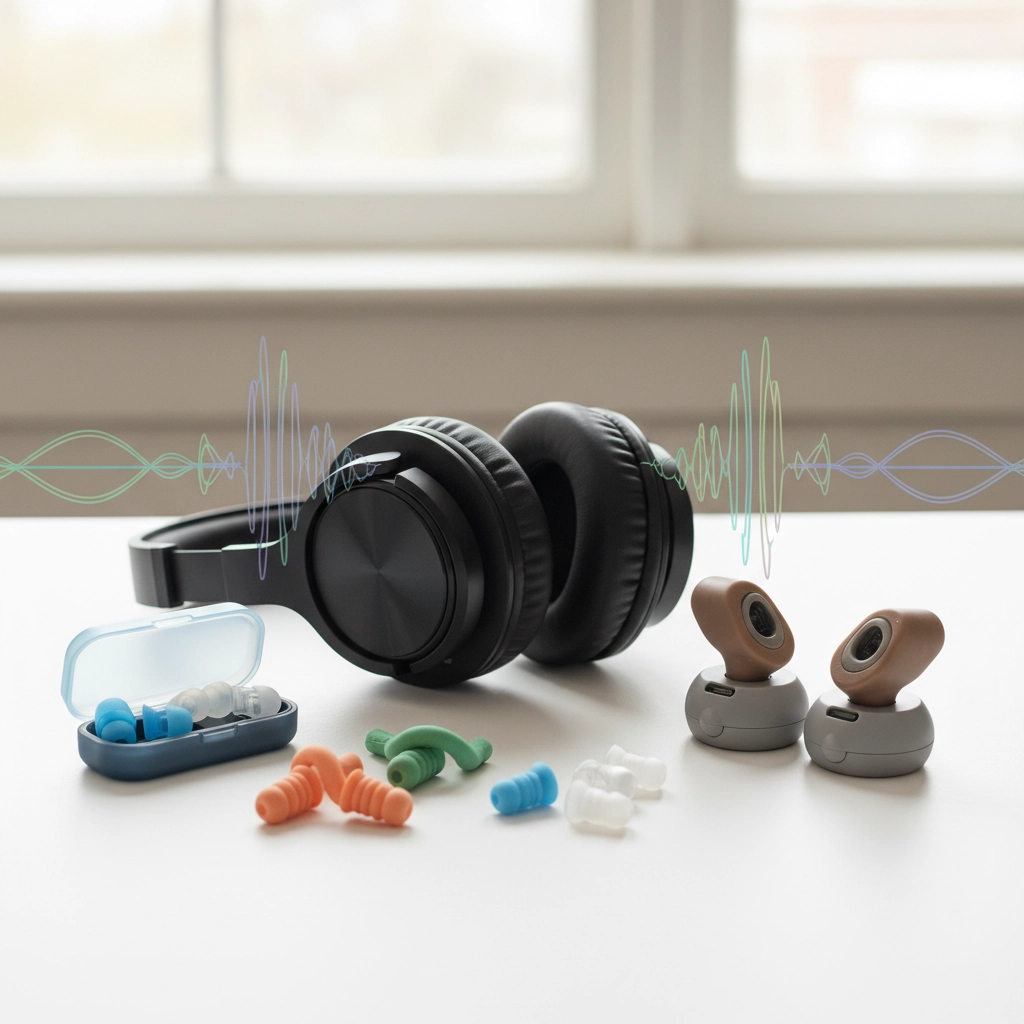
Earplugs are your best friend for concerts, sporting events, or noisy work environments. Even basic foam earplugs can reduce noise levels by 15-30 dB. For regular exposure, consider investing in custom-fitted ear protection.
Take Noise Breaks
Give your ears regular breaks from noise. If you work in a loud environment, use your break time to find quiet spaces. After concerts or loud events, spend time in quiet environments to let your hearing system recover.
Create Quiet Zones
Designate areas of your home as low-noise zones. Bedrooms and home offices should be as quiet as possible to give your ears regular relief from daily noise exposure.
When Louder Becomes Dangerous
Sounds above 140 dB can cause immediate hearing damage with just a single exposure. This includes gunshots, fireworks at close range, or standing next to jet engines. At these levels, even brief exposure can cause permanent hearing loss or tinnitus.
Prolonged exposure to sounds above 100 dB should be avoided. While a few minutes at a concert might not cause immediate damage, regular exposure to these levels will accumulate over time and lead to hearing loss.
Technology Can Help
Many smartphones now include decibel meter apps that can help you monitor your environment. Apple's Health app tracks headphone audio levels, and many Android devices offer similar features. These tools can help you make informed decisions about your noise exposure throughout the day.
Noise-Canceling Headphones
Quality noise-canceling headphones can actually protect your hearing by reducing the need to turn up volume in noisy environments. When background noise is reduced, you can enjoy your music or podcasts at safer volumes.
The Workplace Factor
If your job exposes you to noise levels above 85 dB regularly, your employer should provide hearing protection and may be required to offer regular hearing tests. Don't assume that just because it's "part of the job," it's safe for your long-term hearing health.
Many people in noisy professions: from musicians to construction workers to airport staff: develop hearing problems that could have been prevented with proper protection and awareness.
Signs You Might Be Overdoing It
Pay attention to these warning signs that you may be exposed to too much noise:
- Ringing in your ears (tinnitus) after loud events
- Temporary hearing loss or muffled hearing
- Having to ask people to repeat themselves more often
- Needing to turn up the TV or music louder than before
- Feeling like people are mumbling
The Bottom Line
Your hearing is irreplaceable, and noise-induced hearing loss is completely preventable. By understanding safe sound levels and taking simple precautions, you can enjoy all the sounds you love while protecting your hearing for the future.
Remember, it's not about avoiding all loud sounds: it's about being smart about exposure time and using protection when needed. A concert with earplugs is still enjoyable, and protecting your hearing today means you'll be able to enjoy music, conversations, and all of life's sounds for decades to come.
The key is awareness and action. Now that you understand safe sound levels, you can make informed choices about your daily noise exposure and take steps to protect one of your most valuable senses.
If you're concerned about your hearing or work in a noisy environment, don't wait to get a professional evaluation. Early detection and intervention can make a significant difference in maintaining your hearing health throughout your life.
Tags: safe noise levels, hearing protection, decibel levels, noise-induced hearing loss, workplace hearing safety, headphone safety, hearing health, sound exposure, tinnitus prevention, occupational audiology, hearing damage prevention, ear protection
Contact us at 201-645-5440.
