
5 Heart Health Habits That Could Save Your Hearing (American Heart Month Edition)
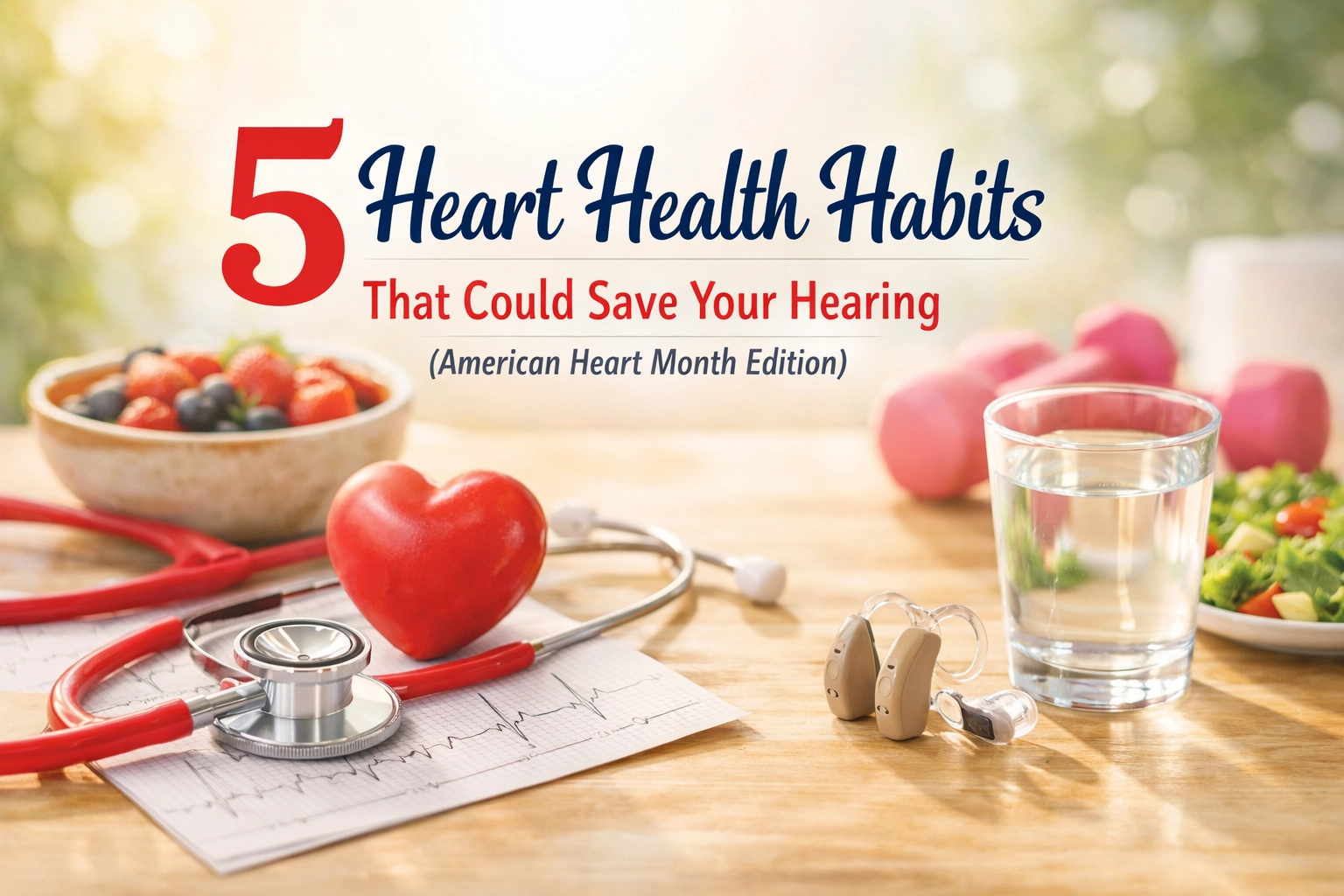
February marks American Heart Month, making it the perfect time to explore a connection many people don't realize exists: the relationship between cardiovascular health and hearing function. Research reveals that more than 50% of adults with heart disease also experience some degree of hearing impairment. This isn't coincidental: the tiny hair cells in the inner ear depend on healthy blood flow to function properly, and anything that compromises cardiovascular health can also damage auditory function.
The good news is that habits benefiting the heart often protect hearing as well. Both systems rely on optimal circulation, and the lifestyle choices that keep arteries clear and blood pressure stable also help preserve the delicate structures of the auditory system. Understanding this connection empowers individuals to take actions that protect both vital functions simultaneously.
The Heart-Hearing Connection: Understanding the Biology

The inner ear contains some of the most sensitive structures in the human body. The cochlea, which converts sound waves into electrical signals the brain can interpret, depends on a robust supply of oxygen-rich blood. When cardiovascular disease restricts blood flow, reduces oxygen delivery, or damages blood vessels, the hair cells in the cochlea suffer. Unlike many cells in the body, these specialized cells cannot regenerate once damaged.
Cardiovascular disease and hearing loss share several underlying mechanisms, including inflammation, oxidative stress, and compromised circulation. Conditions like hypertension, atherosclerosis, and diabetes all affect the tiny blood vessels supplying the inner ear. This explains why protecting cardiovascular health directly translates to preserving auditory function.
Habit #1: Engage in Regular Physical Activity
Physical exercise stands as one of the most powerful interventions for both heart and hearing health. Research demonstrates that individuals who engage in four or more hours of physical activity per week experience a 15% reduction in hearing loss risk compared to sedentary individuals.
Exercise strengthens the cardiovascular system in several ways:
- Improves blood flow throughout the body, including to the inner ear
- Reduces blood pressure and decreases stress on arterial walls
- Enhances oxygen delivery to sensitive cochlear structures
- Promotes healthy cholesterol levels that keep blood vessels clear
- Reduces systemic inflammation that can damage both cardiovascular and auditory systems
The type of exercise matters less than consistency. Walking, swimming, cycling, strength training, and group fitness classes all provide cardiovascular benefits. The American Heart Association recommends at least 150 minutes of moderate-intensity aerobic activity or 75 minutes of vigorous activity per week. For individuals working in occupational settings, incorporating movement breaks throughout the day contributes to these targets while also reducing workplace stress.
Habit #2: Adopt a Nutrient-Dense, Heart-Healthy Diet

Dietary choices profoundly impact both cardiovascular and auditory health. A diet emphasizing whole, minimally processed foods provides the nutrients necessary for maintaining healthy blood vessels and supporting cellular function in the inner ear.
Foods That Benefit Both Heart and Hearing
Fatty fish like salmon, tuna, and mackerel contain omega-3 fatty acids that reduce arterial plaque buildup while supporting auditory function. Studies indicate that regular fish consumption lowers hearing loss risk while protecting against heart disease.
Colorful fruits and vegetables provide antioxidants that combat oxidative stress in both the cardiovascular system and the cochlea. Berries, leafy greens, and citrus fruits offer particularly high concentrations of protective compounds.
Whole grains help regulate blood sugar and provide B vitamins important for nerve health, including the auditory nerve. Options like oatmeal, brown rice, and quinoa support stable energy and healthy circulation.
Lean proteins from sources like poultry, legumes, and nuts provide essential amino acids without the saturated fat that contributes to arterial disease.
Foods to Limit
Processed foods high in sodium increase blood pressure, forcing the heart to work harder and potentially damaging the delicate blood vessels in the inner ear. Excessive sugar contributes to inflammation and metabolic dysfunction affecting both systems. Trans fats and excessive saturated fats promote atherosclerosis that restricts blood flow throughout the body, including to auditory structures.
Habit #3: Eliminate Tobacco Use

Smoking represents one of the most significant modifiable risk factors for both cardiovascular disease and hearing loss. Tobacco use increases hearing loss risk by nearly 15%, while dramatically elevating the likelihood of heart attack and stroke.
Cigarettes and other tobacco products contain thousands of harmful chemicals, including formaldehyde, ammonia, and carbon monoxide. These substances damage hearing through multiple mechanisms:
- Nicotine constricts blood vessels, reducing oxygen delivery to the cochlea
- Toxic chemicals create oxidative stress that damages cochlear hair cells
- Carbon monoxide interferes with oxygen transport in the bloodstream
- Chronic inflammation from smoking affects the entire auditory pathway
The cardiovascular damage from smoking occurs through similar pathways. Tobacco use accelerates atherosclerosis, raises blood pressure, increases blood clotting risk, and triggers dangerous heart rhythms.
Quitting smoking at any age provides immediate and long-term benefits. Within weeks, circulation begins improving. Within months, inflammation decreases. The risk of both heart disease and hearing deterioration starts declining, though complete risk normalization may take years depending on smoking duration and intensity.
Resources for smoking cessation include nicotine replacement therapy, prescription medications, counseling services, and support groups. Healthcare providers can develop personalized cessation plans addressing individual challenges and circumstances.
Habit #4: Prioritize Sleep and Stress Management
Chronic stress and inadequate sleep create a cascade of physiological changes that harm both cardiovascular and auditory health. The body's stress response elevates cortisol levels, increases blood pressure, and promotes inflammation: all factors that damage the heart and compromise hearing function.
The Role of Quality Sleep
Adequate sleep allows the cardiovascular system to recover and repair. During deep sleep, blood pressure naturally decreases, giving the heart and blood vessels essential rest. Sleep deprivation, conversely, keeps blood pressure elevated and increases the risk of hypertension, heart disease, and stroke.
The auditory system also benefits from proper rest. Research suggests that sleep deprivation may increase susceptibility to noise-induced hearing damage and exacerbate tinnitus symptoms. Most adults require seven to nine hours of quality sleep nightly for optimal health.
Effective Stress Reduction Strategies
- Regular physical activity serves double duty by improving cardiovascular fitness while reducing stress hormones
- Meditation and mindfulness practices lower blood pressure and decrease stress-related inflammation
- Regular work breaks prevent the cumulative stress that builds throughout long workdays, particularly important in high-noise occupational environments
- Social connections provide emotional support that buffers against chronic stress
- Time management and realistic goal-setting prevent overwhelming stress accumulation
For individuals experiencing tinnitus, stress management becomes especially important, as stress often intensifies the perception of ringing or buzzing in the ears.
Habit #5: Moderate Alcohol Consumption
Excessive alcohol consumption poses risks to both cardiovascular and auditory health. While some research suggests that light to moderate alcohol intake may offer cardiovascular benefits, heavy drinking unequivocally damages both systems.
Alcohol affects hearing through several mechanisms:
- Raises blood pressure, increasing strain on blood vessels including those supplying the inner ear
- Damages the central auditory processing system in the brain
- Disrupts the balance of electrolytes important for proper cochlear function
- Increases cardiovascular disease risk through multiple pathways
The cardiovascular risks of excessive alcohol include hypertension, cardiomyopathy, arrhythmias, and stroke. These conditions further compound hearing loss risk by compromising circulation to auditory structures.
Current guidelines suggest that individuals who choose to drink should limit consumption to no more than two drinks daily for men and one drink daily for women. However, the safest approach for many individuals may involve abstaining entirely, particularly those with existing cardiovascular conditions, hearing loss, or family histories of either condition.
Taking Action: Protecting Both Heart and Hearing
The interconnection between cardiovascular health and auditory function means that positive changes in one area naturally benefit the other. Implementing even one or two of these habits can begin reducing risk, while adopting all five provides comprehensive protection for both vital systems.
Regular monitoring helps track progress and identify emerging concerns early. Annual hearing evaluations can detect subtle changes before they significantly impact communication and quality of life. Similarly, routine cardiovascular screenings catch hypertension, high cholesterol, and other risk factors while they remain highly manageable.
For individuals working in occupational settings with noise exposure, protecting hearing becomes especially critical. Combining cardiovascular health habits with proper hearing protection and regular occupational hearing assessments through programs like those offered at Northeast Occupational Audiology Associates provides the most comprehensive approach to long-term auditory health.
Understanding the heart-hearing connection empowers individuals to make informed choices that protect both systems simultaneously. This American Heart Month, consider which habits might benefit your cardiovascular and auditory health: and take the first step toward implementing them.
Tags: hearing health, heart health, American Heart Month, cardiovascular disease, hearing loss prevention, healthy lifestyle, occupational health, tinnitus, hearing protection, wellness, audiology
Contact us at 201-645-5440
